Baby Bottle Sterilizer Guide: When You Need One and How to Choose
By Breastfeeding Mom Editorial TeamUpdated 7 min read
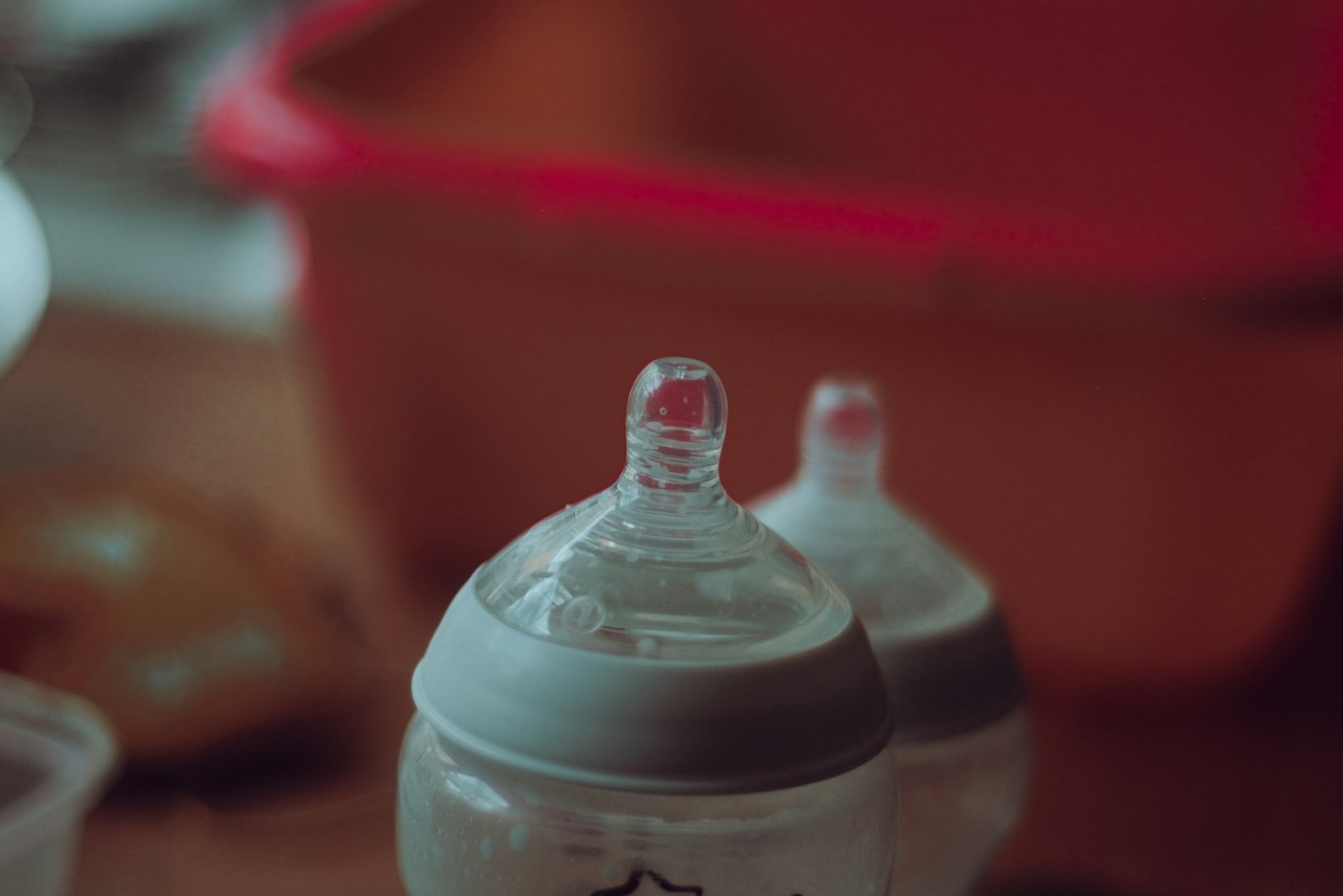
A baby bottle sterilizer is one of the most common items on baby registries, but whether you need one depends on your baby’s age and health, and on which guidance you follow. US and UK health services give slightly different advice, and you can sanitize without buying anything at all.
This guide explains when sanitizing is recommended, how the main methods compare, what the evidence says about UV sterilizers, and what to look for if you decide to buy one. We don’t rank brands or models, and we haven’t tested any products.
Cleaning comes first
Sanitizing is an extra step, not a replacement for washing. The CDC says to sanitize feeding items, pump parts, bottle brushes and wash basins only after they have been cleaned. That means taking everything apart, rinsing under running water, and washing by hand or in a dishwasher. Our baby bottle washer guide compares the washing options, and our guide on how to clean breast pump parts covers the full pump routine.
Do you need to sanitize? CDC and NHS compared
| CDC (US) | NHS (UK) | |
|---|---|---|
| Who | Daily (or more often) if your baby is under 2 months, was born prematurely, or has a weakened immune system due to illness or medical treatment | All babies |
| How long | The CDC says daily sanitizing may not be necessary for older, healthy babies if items are cleaned carefully after each use | Until your baby is at least 12 months old |
| Dishwasher | Hot water with a heated drying cycle or sanitize setting means a separate sanitizing step isn’t necessary | Cleans but does not sterilize |
| Boiling time | 5 minutes | At least 10 minutes |
For pump parts, the CDC suggests sanitizing at least once daily for extra germ removal, and says this is especially important in the same three groups. It also says daily sanitizing is always the safest choice.
So if your baby is older and healthy, you can reasonably follow either approach. If your baby is very young, was premature or has a weakened immune system, sanitize daily, and ask your baby’s care team whether they recommend more.
Sterilizing vs sanitizing
You’ll see both words on packaging. The FDA says it isn’t possible to completely sterilize pump parts at home, even if you boil them, and that sterilization isn’t necessary to keep them safe. It also says microwave sterilizers don’t meet the FDA definition of sterilization but adequately reprocess parts for safe use by a single user. In practice, “sterilizer” on a home product means a device that sanitizes.
The methods compared
Boiling
The CDC’s method: put the disassembled items in a pot, cover them with water, bring it to a boil and boil for 5 minutes, then remove them with clean tongs. The NHS says to boil for at least 10 minutes, keep everything under the surface and set a timer so you don’t forget the heat. It also warns that nipples tend to get damaged faster this way, so check them regularly for tears and cracks. Boiling costs nothing, but only works for items that are safe to boil.
Steam (electric or microwave)
The CDC lists steaming in a microwave or plug-in steam system, following the manufacturer’s instructions for sanitizing, cooling and drying. The NHS also lists electric and microwave steam sterilizers, and stresses following the maker’s instructions because types differ. Microwave steam bags are a compact option for pump parts at work or while traveling.
Dishwasher
If your items are dishwasher-safe, the CDC says a cycle with hot water and a heated drying cycle, or a sanitizing setting, means no separate sanitizing step is needed. Put small parts in a closed-top basket or mesh bag. Remember that the NHS doesn’t count this as sterilizing.
Bleach
The CDC describes a bleach option for when you can’t boil, steam or use a dishwasher: 2 teaspoons of unscented bleach per gallon (16 cups) of water in a clean basin, all items fully under water with no air bubbles, solution squeezed through nipple holes, a soak of at least 2 minutes, then air-drying without rinsing. The CDC says any remaining bleach breaks down quickly as it dries. This option appears in the CDC’s guidance for feeding items, not its pump page, so check your pump maker’s instructions first.
Cold-water sterilizing solution
The NHS also lists sterilizing solutions, which are common in the UK. It says to follow the product’s instructions, leave equipment in the solution for at least 30 minutes, change the solution every 24 hours, and make sure no air bubbles are trapped.
UV sterilizers
UV (ultraviolet light) sterilizers are sold for bottles and pump parts, but the evidence is limited. Neither the CDC nor the NHS includes UV among its recommended methods: the CDC lists boiling, steam, a hot dishwasher cycle and bleach, and the NHS lists sterilizing solution, steam and boiling. We couldn’t find CDC, FDA, NHS or AAP consumer guidance that assesses UV sterilizers for baby feeding items.
The EPA, which regulates UV lights sold with germ-killing claims as “devices”, says such devices don’t need premarket review or registration, and that makers generally don’t submit their efficacy and safety data to the EPA before selling them. It says device makers, sellers and distributors are responsible for keeping data that support their claims, and an EPA establishment number on the box does not mean the EPA has reviewed the product for safety or efficacy.
If you use a UV unit, wash items first, follow the maker’s directions, and check that your bottle and pump makers allow it. If your baby is in a group where the CDC recommends daily sanitizing, you may prefer a method the CDC lists.
Will your bottles and parts take the heat?
The CDC says to check with each item’s manufacturer about which sanitizing method to use, and whether pump parts can be steamed or boiled. For items that can’t be sanitized, the CDC advises cleaning them thoroughly and inspecting them regularly for cracks, chips and wear, and replacing them when needed.
Inspect everything as you go. The CDC says to throw bottles away at the first sign of damage, never to use antique lead crystal baby bottles, and notes that most nipple makers recommend replacing nipples every 6 weeks to 3 months. Our pump part replacement schedule helps you track valves, membranes and other pump parts. If you haven’t chosen bottles yet, our guide to bottles for breastfed babies explains why fewer parts make cleaning easier.
Drying and handling after sanitizing
- Air-dry thoroughly on a clean, unused dish towel or paper towel in an area protected from dirt and dust. The CDC says not to rub or pat items dry with a dish towel. If your sterilizer has a drying function, make sure items are completely dry before storing.
- Wash your hands before handling sanitized items. The NHS suggests sterile tongs.
- Store safely. The NHS says it’s best to leave items in the sterilizer or pan until you need them, and to put nipples and lids on bottles straight away if you take them out.
What to look for in a sterilizer
- Capacity: enough room for a day’s bottles plus a fully disassembled pump kit.
- Fit: wide-neck or tall bottles and flanges should fit without stacking tightly.
- Your items allow it: the maker of your bottles and pump approves the method.
- Clear instructions for sanitizing, cooling and drying, which the CDC says to follow.
- Drying: either a drying function or a plan to air-dry thoroughly.
- Easy to clean and dry: the CDC warns that moisture lets germs and mold grow.
- Microwave models: fit inside your microwave.
For more pumping gear and routines, see our pumping hub.
When to talk to your pediatrician
- Your baby was born prematurely or has a weakened immune system. The CDC says your baby’s care team may have more recommendations for pumping breast milk safely, so ask before discharge from the NICU or hospital.
- Your baby has vomiting or diarrhea, or seems unwell. Call your pediatrician. The NHS says sterilizing helps protect babies against infections, in particular diarrhea and vomiting.
- Thrush. The NHS advises washing and sterilizing pacifiers, bottle nipples and any toys your baby puts in their mouth when thrush is present. Advice on pump parts differs between sources, so ask your provider, and see our guide to thrush while breastfeeding.
Shop on Amazon
Shop what this guide covers
Paid links: as an Amazon Associate we earn from qualifying purchases, at no extra cost to you. Links never change what we recommend. Disclosure
Frequently asked questions
Is sanitizing the same as sterilizing?
Not quite. The FDA says it isn't possible to completely sterilize pump parts at home, even by boiling, and that microwave sterilizers don't meet the FDA definition of sterilization. They still reprocess parts well enough for safe use by a single user, which is the goal at home.
How long do I boil baby bottles?
The CDC says to cover the parts with water, bring it to a boil and boil for 5 minutes, then lift them out with clean tongs. The NHS says to boil for at least 10 minutes and keep everything under the surface. Check first that your items are safe to boil.
Do I need to sanitize the bottle brush too?
Yes. The CDC says to sanitize all items, including the bottle brush and wash basin, using the same methods, after cleaning them.
Can I sanitize bottles with bleach?
The CDC describes a bleach option for feeding items if you can't boil, steam or use a dishwasher: 2 teaspoons of unscented bleach per gallon (16 cups) of water, a soak of at least 2 minutes, and air-drying without rinsing. Check your pump maker's instructions before using it on pump parts.
Sources
- CDC: How to Clean, Sanitize, and Store Infant Feeding Itemshttps://www.cdc.gov/hygiene/about/clean-sanitize-store-infant-feeding-items.html
- CDC: How to Clean and Sanitize Breast Pumpshttps://www.cdc.gov/hygiene/about/about-breast-pump-hygiene.html
- FDA: Cleaning a Breast Pumphttps://www.fda.gov/medical-devices/breast-pumps/cleaning-breast-pump
- NHS: Sterilising Baby Bottleshttps://www.nhs.uk/baby/breastfeeding-and-bottle-feeding/bottle-feeding/sterilising-baby-bottles/
- EPA: Pesticide Devices: A Guide for Consumershttps://www.epa.gov/pesticides/pesticide-devices-guide-consumers
- NHS Start for Life: Thrush and Breastfeedinghttps://www.nhs.uk/best-start-in-life/baby/feeding-your-baby/breastfeeding/breastfeeding-challenges/thrush/
This guide is general information, not medical advice. For your own situation, talk to your doctor, midwife, pharmacist or an IBCLC lactation consultant. Read our medical disclaimer and find breastfeeding support near you.
Related articles
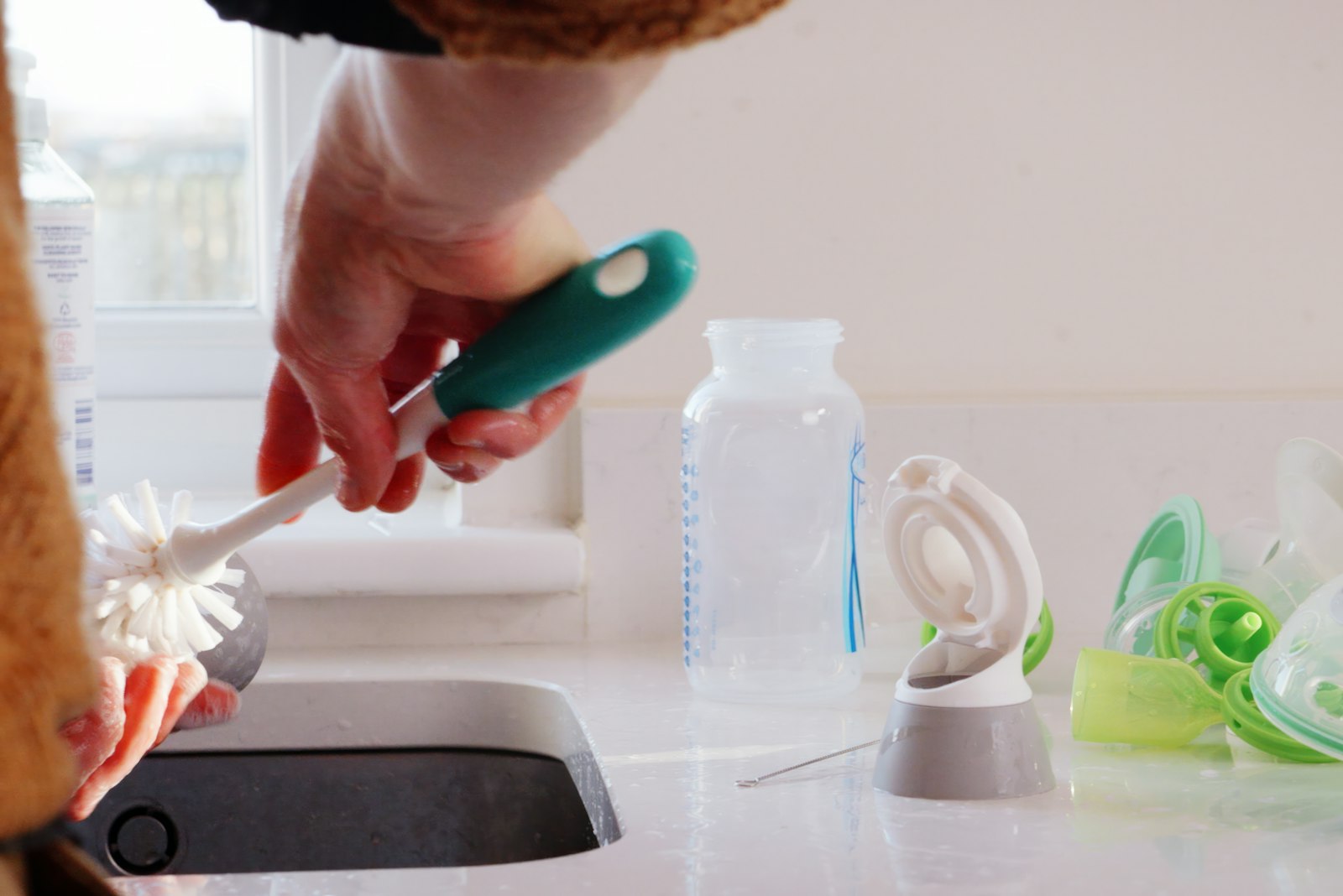
Baby Bottle Washer Guide: Brush, Dishwasher or Countertop Machine?
How to wash baby bottles and pump parts with a brush, a dishwasher or a countertop bottle washer, and what to look for in each, based on CDC advice.
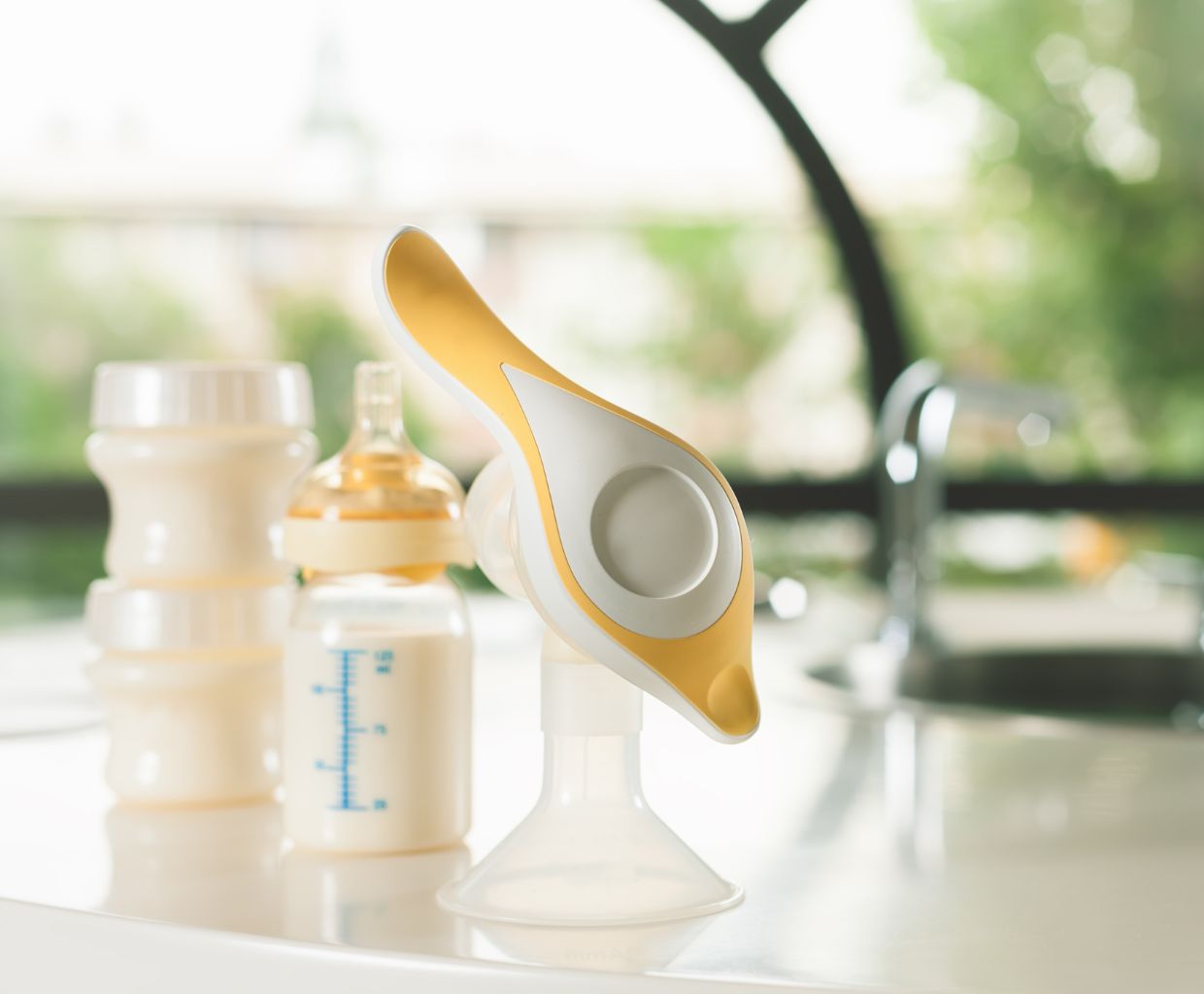
How to Clean Breast Pump Parts: The CDC Steps, Simplified
How to clean breast pump parts the CDC way: washing after every use, sanitizing, air-drying, tubing and mold, the dishwasher and the fridge hack.
Pumping Essentials: A Checklist for Home, Work and Exclusive Pumping
A practical pumping essentials checklist: the pump and right flange size, spare parts, storage, cleaning supplies, work gear and what's optional.
Wearable Breast Pump: How They Work, Pros and Cons, and Fit
An honest guide to wearable breast pumps: how they work, how they compare with traditional pumps, flange fit, cleaning and who they suit best.