Bottle Drying Rack Guide: Air-Drying Bottles and Pump Parts Safely
By Breastfeeding Mom Editorial TeamUpdated 5 min read
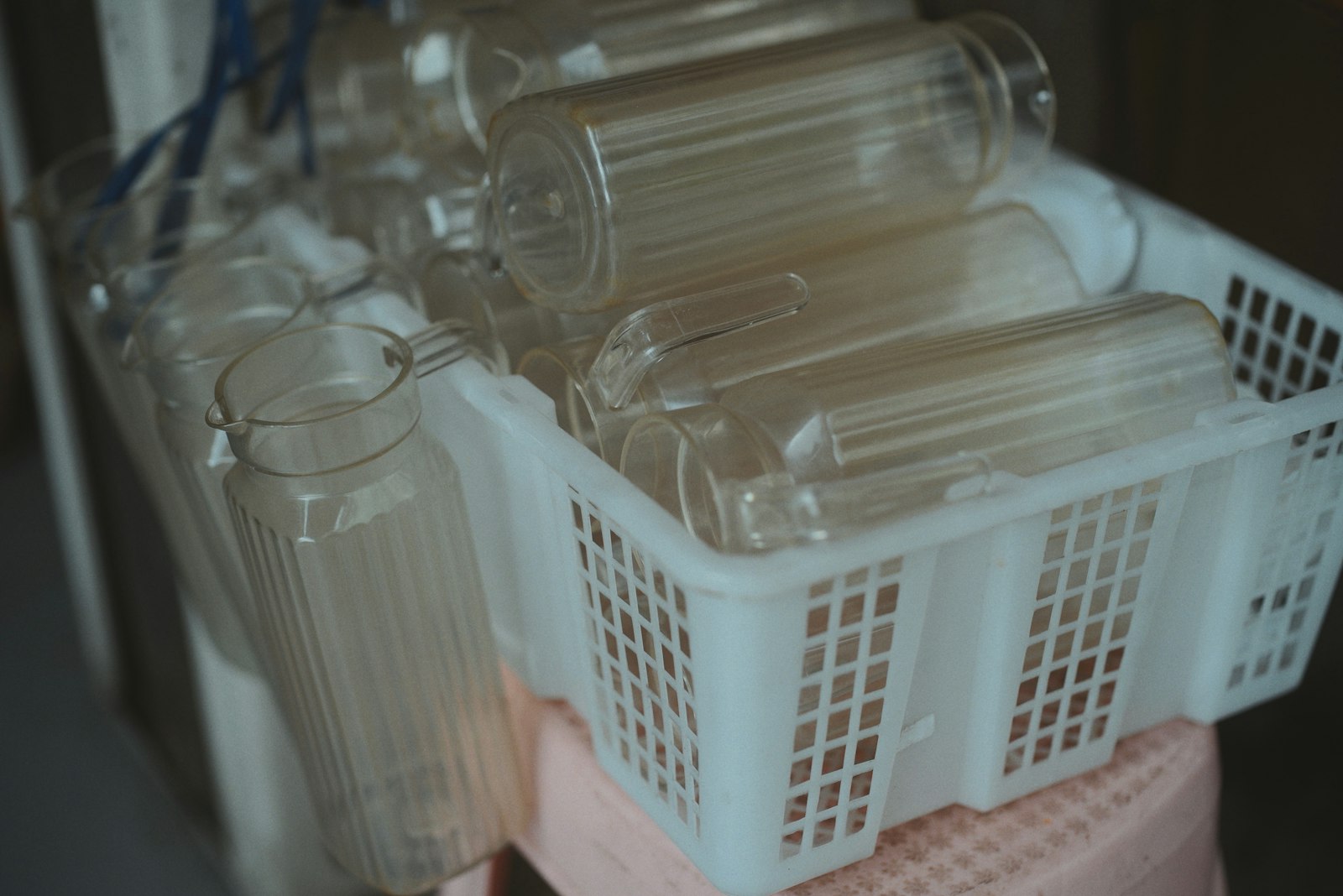
Once you’re washing bottles and pump parts several times a day, you need somewhere to put them while they dry. Drying racks are a popular answer, and they keep your counter tidy. But the CDC’s advice on drying racks is more cautious than most shoppers expect, and it’s worth knowing before you buy one.
This guide covers what the CDC and FDA say about drying, the pros and cons of a rack, how to keep one clean, and what to look for. We don’t rank brands or models, and we haven’t tested any products.
Why drying matters
Washing removes milk and germs; drying finishes the job. The CDC says to let clean feeding items, bottle brushes and wash basins air-dry thoroughly before storing them, to help prevent germs and mold from growing. Its pump guidance says the same for pump parts.
Two rules apply however you dry:
- Air-dry, don’t towel-dry. The CDC says not to rub or pat items dry with a dish towel, because doing so may transfer germs. The FDA also advises against cloth towels for pump parts, because they can carry germs and bacteria.
- Dry in a clean spot. The CDC says to place items on a clean, unused dish towel or paper towel in an area protected from dirt and dust.
For the washing steps that come before drying, see our baby bottle washer guide and our guide on how to clean breast pump parts.
Towel or drying rack?
The CDC is direct about this: air-drying infant feeding items on a clean dish towel or paper towel is probably more hygienic than using a drying rack. It explains that drying racks may trap moisture, allow mold and germs to grow, and be difficult to clean.
That doesn’t make a rack off-limits. The FDA’s pump cleaning advice mentions both a clean paper towel and a clean drying rack, and the CDC gives instructions for using a rack if you prefer one. The key word in both is clean.
| Clean towel or paper towel | Drying rack | |
|---|---|---|
| CDC view | Probably more hygienic | Acceptable if kept clean and used only for feeding items |
| Main drawback | Takes up counter space; items can tip over | Can trap moisture and be hard to clean |
| Upkeep | Use a fresh, unused towel or paper towel each time | Wash, sanitize and dry every few days (daily for higher-risk babies) |
| Good for | Small numbers of items, simple setups | Many bottles and parts, upright drainage |
How to use a drying rack safely
If you choose a rack, the CDC’s advice comes down to three habits:
- Use it only for your infant’s feeding items. Not for family dishes.
- Clean it on a schedule. Every few days, wash it, sanitize it and let it dry thoroughly. If your baby is under 2 months old, was born prematurely or has a weakened immune system, do this at least daily.
- Let items dry completely before you take them off, put them together and store them.
To sanitize the rack, the CDC’s methods for feeding items are boiling for 5 minutes, steaming, a hot dishwasher cycle with heated drying or a sanitize setting, or a bleach soak. Check the rack maker’s instructions for which methods its materials can handle.
A few practical points help the rack dry fully between uses:
- Take the rack apart for cleaning if it’s designed to come apart.
- Empty any drip tray, then wash and dry it along with the rest of the rack.
- Place it away from where dishes are rinsed and food is prepared, in a spot protected from dirt and dust.
- Don’t crowd it. Parts that touch or overlap hold water longer.
Mold on a drying rack
Look closely at joints, grooves, the base of prongs and the drip tray, where water can collect. The CDC’s warning that racks can trap moisture and let mold grow is the reason to clean on a schedule rather than when the rack looks dirty. For pump tubing, the CDC says to throw away tubing with mold in it because it’s hard to clean properly. Applying the same reasoning, if you can’t get a rack’s crevices clean, replacing it is the safer choice. Any bottle or part that has been sitting on a moldy rack should be washed again before use.
What to look for in a drying rack
- Easy to take apart and clean, with few deep grooves or hidden channels.
- Can be sanitized: dishwasher-safe or able to handle boiling or steam, per its maker.
- Open, draining design that lets water run off and air reach every surface.
- Upright holders for bottles and nipples so they drain rather than pool.
- Space for small pump parts: valves, membranes and connectors need flat, open spots.
- A removable drip tray you can empty and wash.
- The right size for a day’s items without overcrowding, and for your counter.
Drying on the go
The CDC Yellow Book suggests that traveling parents who pump pack a cleaning kit with a cleaning brush, dish soap, and a portable drying rack or mesh bag to hang items to air-dry. It also suggests bringing extra sets of pump parts if you won’t be able to clean them between uses. A folding rack or a mesh bag can be handy at work too; our pumping at work guide has more tips for keeping clean parts ready. If you’re flying, see our guide to flying with breast milk.
Storing dry items
Once everything is completely dry, the CDC says to wash your hands, reassemble the parts and store them in a clean, protected area, such as a closed cabinet used only for clean dishes. For a pump kit, it suggests an unused, sealable food storage bag. A drying rack is a place to dry things, not to store them long-term in the open.
If you also sanitize, our baby bottle sterilizer guide explains how drying fits into each method. You’ll find more equipment guides in our pumping hub.
When to talk to your pediatrician
- Your baby was born prematurely, is under 2 months old or has a weakened immune system. The CDC recommends daily cleaning and sanitizing of the rack in these cases, and says your baby’s care team may have more recommendations for pumping breast milk safely.
- Your baby has vomiting or diarrhea, or seems unwell. Call your pediatrician, especially if your baby is very young.
- You keep finding mold on bottles, parts or tubing despite careful drying. Replace the affected items, and ask your pediatrician if your baby has been fed from them and seems unwell.
Shop on Amazon
Shop what this guide covers
Paid links: as an Amazon Associate we earn from qualifying purchases, at no extra cost to you. Links never change what we recommend. Disclosure
Frequently asked questions
Can I towel-dry baby bottles if I'm in a hurry?
The CDC says not to rub or pat feeding items dry with a dish towel, because doing so may transfer germs. Let them air-dry on a clean, unused dish towel or paper towel instead. Having extra bottles or pump parts means you're not waiting on wet ones.
Can I use my regular dish rack for baby bottles?
The CDC says to use a drying rack only for your infant's feeding items, so a rack shared with family dishes doesn't follow that advice.
How long does it take bottles to air-dry?
There's no set time in CDC guidance; it depends on your home and the items. What matters is that everything is completely dry before you put it back together and store it, to help prevent germs and mold.
Can I put away bottles that are still a little damp?
It's best not to. The CDC says to let feeding items, brushes and basins air-dry thoroughly before storing to help prevent germs and mold from growing.
Sources
- CDC: How to Clean, Sanitize, and Store Infant Feeding Itemshttps://www.cdc.gov/hygiene/about/clean-sanitize-store-infant-feeding-items.html
- CDC: How to Clean and Sanitize Breast Pumpshttps://www.cdc.gov/hygiene/about/about-breast-pump-hygiene.html
- FDA: Cleaning a Breast Pumphttps://www.fda.gov/medical-devices/breast-pumps/cleaning-breast-pump
- CDC Yellow Book: Travel and Breastfeedinghttps://www.cdc.gov/yellow-book/hcp/family-travel/travel-and-breastfeeding.html
This guide is general information, not medical advice. For your own situation, talk to your doctor, midwife, pharmacist or an IBCLC lactation consultant. Read our medical disclaimer and find breastfeeding support near you.
Related articles
Baby Bottle Washer Guide: Brush, Dishwasher or Countertop Machine?
How to wash baby bottles and pump parts with a brush, a dishwasher or a countertop bottle washer, and what to look for in each, based on CDC advice.
How to Clean Breast Pump Parts: The CDC Steps, Simplified
How to clean breast pump parts the CDC way: washing after every use, sanitizing, air-drying, tubing and mold, the dishwasher and the fridge hack.
Baby Bottle Sterilizer Guide: When You Need One and How to Choose
When to sanitize baby bottles and pump parts, how boiling, steam, dishwasher and UV sterilizers compare, and what to check before you buy one.
Pumping Essentials: A Checklist for Home, Work and Exclusive Pumping
A practical pumping essentials checklist: the pump and right flange size, spare parts, storage, cleaning supplies, work gear and what's optional.