Best Bottles for Breastfed Babies: How to Choose One That Works
By Breastfeeding Mom Editorial TeamUpdated 7 min read
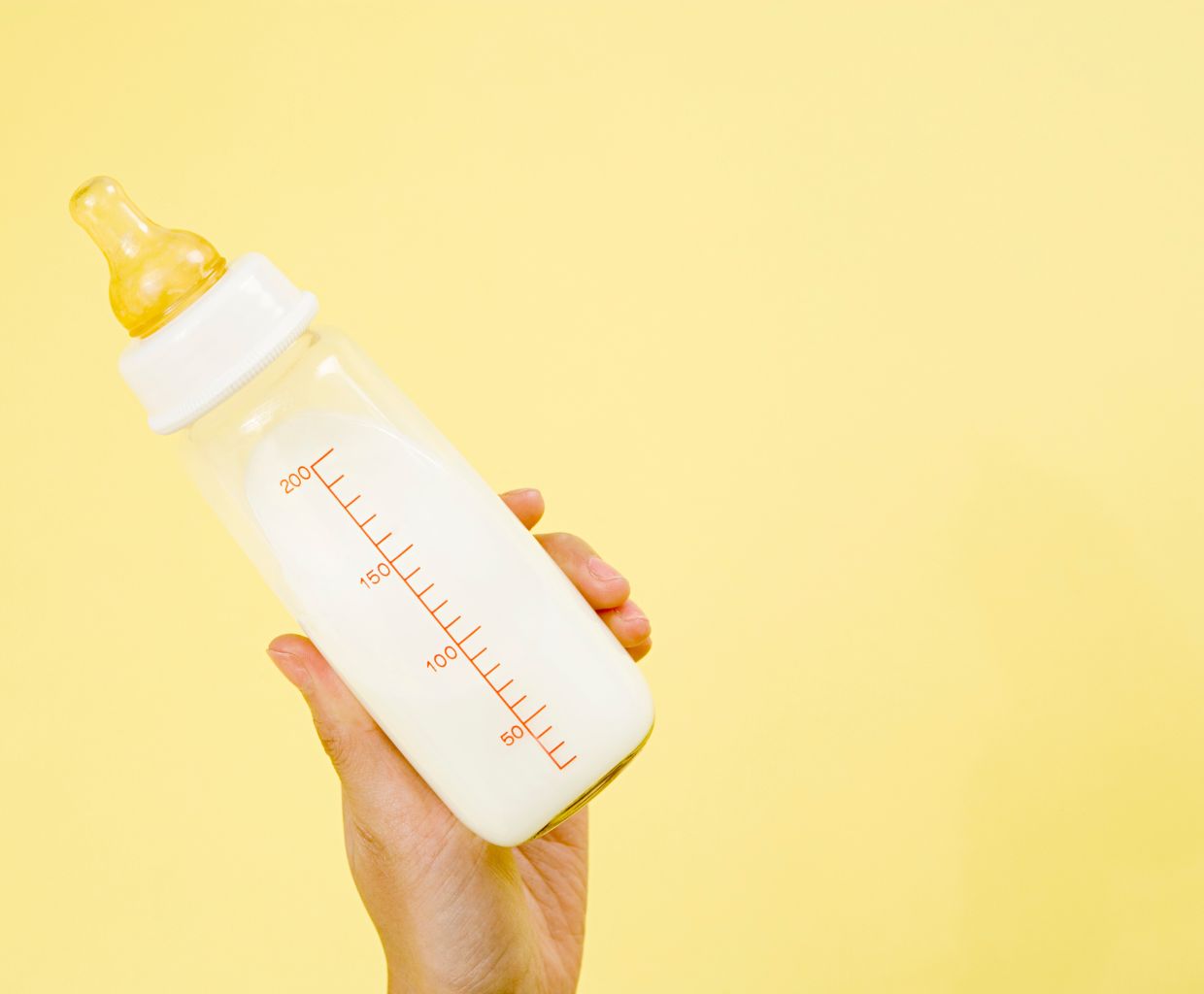
Shopping for a bottle when you’re breastfeeding can feel like a test you didn’t study for. Packaging promises bottles that are “just like the breast,” and every parent group has a favorite. The honest answer is simpler: no bottle is best for every breastfed baby, and the evidence doesn’t single out any type.
This guide doesn’t rank brands or products. Instead, it explains what actually matters when you choose a bottle for a breastfed baby, so you can pick one or two sensible options and adjust based on how your baby responds.
Is there a “best” bottle for breastfed babies?
Not one you can pick off a list. The NHS says plainly that there’s no evidence one type of nipple (teat) or bottle is better than any other, and that simple bottles that are easy to wash are probably best. The AAP’s HealthyChildren.org advice on introducing a bottle expects that you may need to try several types of nipples before you find one your baby likes.
So “best” really means best for your baby. These are the features worth paying attention to:
| Feature | What to look for | Why it matters for a breastfed baby |
|---|---|---|
| Nipple flow | Slow or newborn flow | Keeps the effort and pace closer to breastfeeding |
| Nipple shape | One your baby can draw in deeply, with lips flanged | A comfortable latch matters more than how “breast-like” it looks |
| Bottle size | Small, about 4 to 5 oz (120 to 150 ml) to start | Breastfed babies usually take modest amounts per feed |
| Material | Plastic (BPA-free), glass or stainless steel | Mostly about weight, durability and cleaning |
| Number of parts | As few as possible | Fewer parts are easier to clean properly |
Nipple flow matters more than the bottle
A breastfed baby has to work to get milk at the breast, with pauses between let-downs. A fast-flowing bottle nipple delivers milk with little effort, which can make feeds rushed and make it easy to overfeed.
MedlinePlus (from the US National Library of Medicine) says babies usually start with a smaller hole and slower flow, should be able to get enough milk without sucking too hard, and that choking or spitting up means the flow is too fast.
Labels aren’t always reliable. In a 2016 lab study, researchers tested 26 types of nipples sold in US stores. Flow rates ranged from about 1.7 to 85 ml per minute, and the authors concluded that a nipple’s name doesn’t give clear information about its actual flow. Two “slow” nipples from different brands may behave very differently, so watch your baby rather than the package.
MedlinePlus names choking and spitting up as signs the flow is too fast, and the NHS warns that drinking milk too quickly can make a baby sick. The NHS also suggests checking that the hole in the nipple isn’t too big. If feeds seem rushed or your baby splutters, try a slower nipple and a flatter bottle angle before switching bottles altogether.
Nipple shape and latch
Bottle nipples come dome-shaped, flat or wide, and MedlinePlus suggests trying different shapes to see which one your baby prefers. MedlinePlus says flat or wide nipples are shaped more like a mother’s breast, but we found no evidence that any shape protects breastfeeding.
What you can watch for is a comfortable, deep latch: your baby opens wide, draws the nipple in, and keeps a seal without clicking or leaking milk. If your baby uses a pacifier, HealthyChildren.org notes they may prefer a bottle nipple with a similar feel.
Nipple material matters a little too. MedlinePlus says latex nipples are softer but some babies are sensitive to latex and they don’t last as long, while silicone nipples last longer and hold their shape better.
Glass vs plastic vs stainless steel bottles
| Material | Pros | Cons |
|---|---|---|
| Plastic | Light, won’t break if dropped | Buy new, since old or hand-me-down bottles may contain BPA |
| Glass | No BPA, recyclable | Heavier, can break and cause injury |
| Stainless steel | Sturdy, won’t break | May cost more; you can’t see the milk level |
| Disposable liners | Liner thrown away after each use | Ongoing cost and more waste |
About BPA. The FDA amended its regulations in 2012 so they no longer allow BPA-based polycarbonate resins in baby bottles and sippy cups. FDA says it made this change because manufacturers had already stopped using it (legally called abandonment), not because of a safety finding, and its current view is that BPA is safe at the levels found in food. (MedlinePlus describes the rule as a ban “due to safety concerns,” which is not how FDA describes it.) The AAP takes a more cautious tone: it suggests choosing certified or identified BPA-free plastic bottles, avoiding clear plastic bottles marked with recycling number 7 and the letters “PC” (they may contain BPA, although newer bottles should be BPA-free), and not heating polycarbonate bottles in the microwave or washing them in the dishwasher.
In practice, a new plastic bottle sold as BPA-free, a glass bottle or a stainless steel bottle are all reasonable choices. If you choose glass, the AAP reminds parents to keep the injury risk from breakage in mind, and MedlinePlus notes that some manufacturers sell protective sleeves.
Vented and “anti-colic” bottles
Vented bottles have a valve or straw system meant to reduce air bubbles. MedlinePlus notes their benefit for colic and gas is unproven. They can be fine to use, but they usually have more parts to clean. Feeding technique, such as keeping your baby upright, pacing the feed and burping, is free and worth trying first.
How you give the bottle matters most
The way a bottle is offered shapes the feed more than the bottle itself. Paced bottle feeding keeps the bottle close to horizontal so your baby controls the pace, with regular pauses. The NHS gives similar positioning advice, without using the term paced feeding: hold your baby semi-upright, let them draw the nipple in, keep the bottle only slightly tipped, and never leave a baby alone with a propped bottle.
For the first bottles, HealthyChildren.org suggests offering about half an ounce (15 ml) an hour or two after a feed, ideally given by someone other than you, somewhere other than where you usually nurse.
Bottle sizes are worth thinking about too. Small bottles make sense because breastfed babies often take less per feed than people expect. Our breast milk intake calculator gives an estimate for your baby’s age and weight.
Will a bottle cause nipple confusion?
Some breastfed babies who get bottles start to fuss at the breast, which is often called nipple confusion or flow preference. The evidence is limited. A 2015 review of 14 studies found emerging evidence for nipple confusion linked to bottle use, but said it’s hard to prove bottles cause breast refusal rather than simply going along with other feeding challenges.
Practical ways to keep bottles closer to the breast experience: use a slow-flow nipple, pace every bottle, and keep breastfeeding often. These are sensible precautions rather than proven fixes. If bottles are regularly replacing feeds at the breast, our guide to combination feeding covers how to balance breast and bottle while protecting your supply.
If your baby refuses the bottle
Bottle refusal is common in breastfed babies. Ideas from HealthyChildren.org:
- Let someone else offer the bottle, somewhere other than where you usually nurse.
- Try when your baby is calm and alert, not frantic with hunger.
- Drip a little breast milk on your baby’s lips first.
- Let your baby explore the nipple and draw it in, rather than pushing it past the gums.
- Stop after about 10 minutes if it isn’t working, and try again later.
- Try a different nipple, or a small cup instead of a bottle.
Give each new nipple a few tries over several days before giving up on it. If your baby is also refusing the breast, see our guide to nursing strikes.
Cleaning and replacing bottles
The CDC recommends cleaning bottles after every feed: take them apart, rinse under running water, wash in a clean basin used only for feeding items (not directly in the sink), squeeze water through nipple holes, rinse, and let everything air-dry fully. For extra germ removal, the CDC suggests sanitizing at least once a day, which it says is particularly important for babies younger than 2 months, babies born early, or babies with a weakened immune system, and may not be necessary for older, healthy babies if items are cleaned carefully after each use. You can boil items for 5 minutes, use a steam system, or run a dishwasher with hot water and a heated drying cycle (the CDC says a separate sanitizing step isn’t needed if your dishwasher does this). The NHS goes further and says to sterilize bottles and nipples until a baby is at least 12 months old.
Replace parts when they wear out. MedlinePlus advises throwing out cracked or torn nipples, because small pieces can be a choking hazard, and cracked or chipped bottles.
When to call your pediatrician or a lactation consultant
Call your baby’s doctor if your baby often chokes, coughs or changes color during bottle feeds, has fewer wet diapers, or isn’t gaining weight as expected. See a lactation consultant (IBCLC) if bottles seem to be causing trouble at the breast, or if your supply drops once bottles start. For more on the early weeks of feeding, visit our breastfeeding basics hub.
Frequently asked questions
Are glass bottles better for breastfed babies?
Not for feeding itself. Glass bottles don't contain BPA and are recyclable, but they can break if dropped. Plastic bottles sold today should be BPA-free, so the choice mostly comes down to weight, durability and how you'll clean and heat them.
Do anti-colic or vented bottles help?
Vented bottles are designed to reduce air bubbles, but MedlinePlus notes that their benefit for colic and gas is unproven. If your baby seems uncomfortable, slowing the feed with paced bottle feeding and burping is a reasonable first step.
When should I move to a faster-flow nipple?
There's no set age. MedlinePlus says your baby should be able to get enough milk without sucking too hard, so if a slow-flow nipple still works well, there's no need to change. If your baby gets frustrated or struggles to get milk, try the next flow up and watch for gulping or coughing.
How many bottles do I need if I'm mostly breastfeeding?
If you'll give an occasional bottle, two or three are often enough to start. If your baby will take several bottles a day at childcare, you'll need enough to cover a day's feeds plus spares, so you aren't washing bottles mid-day.
Sources
- NHS: Bottle feeding advicehttps://www.nhs.uk/baby/breastfeeding-and-bottle-feeding/bottle-feeding/advice/
- MedlinePlus (NIH): Buying and caring for baby bottles and nippleshttps://medlineplus.gov/ency/patientinstructions/000804.htm
- HealthyChildren.org (AAP): Introducing the Bottlehttps://www.healthychildren.org/English/ages-stages/baby/breastfeeding/Pages/Introducing-the-Bottle.aspx
- HealthyChildren.org (AAP): Baby Bottles, Bisphenol A (BPA) and Phthalateshttps://www.healthychildren.org/English/ages-stages/baby/feeding-nutrition/Pages/Baby-Bottles-And-Bisphenol-A-BPA.aspx
- FDA: Bisphenol A (BPA): Use in Food Contact Applicationhttps://www.fda.gov/food/food-packaging-other-substances-come-contact-food-information-consumers/bisphenol-bpa-use-food-contact-application
- CDC: How to Clean, Sanitize, and Store Infant Feeding Itemshttps://www.cdc.gov/hygiene/faq/
- Pados BF et al. Milk flow rates from bottle nipples used after hospital discharge. MCN Am J Matern Child Nurs, 2016https://europepmc.org/article/MED/27008466
- Zimmerman E, Thompson K. Clarifying nipple confusion. J Perinatol, 2015https://europepmc.org/article/MED/26181720
This guide is general information, not medical advice. For your own situation, talk to your doctor, midwife, pharmacist or an IBCLC lactation consultant. Read our medical disclaimer and find breastfeeding support near you.
Related articles

Paced Bottle Feeding: How to Bottle Feed a Breastfed Baby
Step-by-step paced bottle feeding: how to hold your baby and the bottle, when to pause, how long a feed should take and the signs your baby is full.
Combination Feeding: How to Mix Breastfeeding and Formula
How to start combination feeding with breast milk and formula, protect your milk supply, and prepare formula safely the way the CDC recommends.
How to Breastfeed: Step-by-Step Latch and the Best Positions
A step-by-step guide to getting a deep, comfortable latch, five breastfeeding positions to try, and the beginner mistakes that are easy to fix.

Side-Lying Breastfeeding: How to Do It Safely
How to breastfeed lying on your side, step by step, who it helps most, how to switch sides, and what the AAP says about feeding in bed and safe sleep.