Combination Feeding: How to Mix Breastfeeding and Formula
By Breastfeeding Mom Editorial TeamUpdated 5 min read
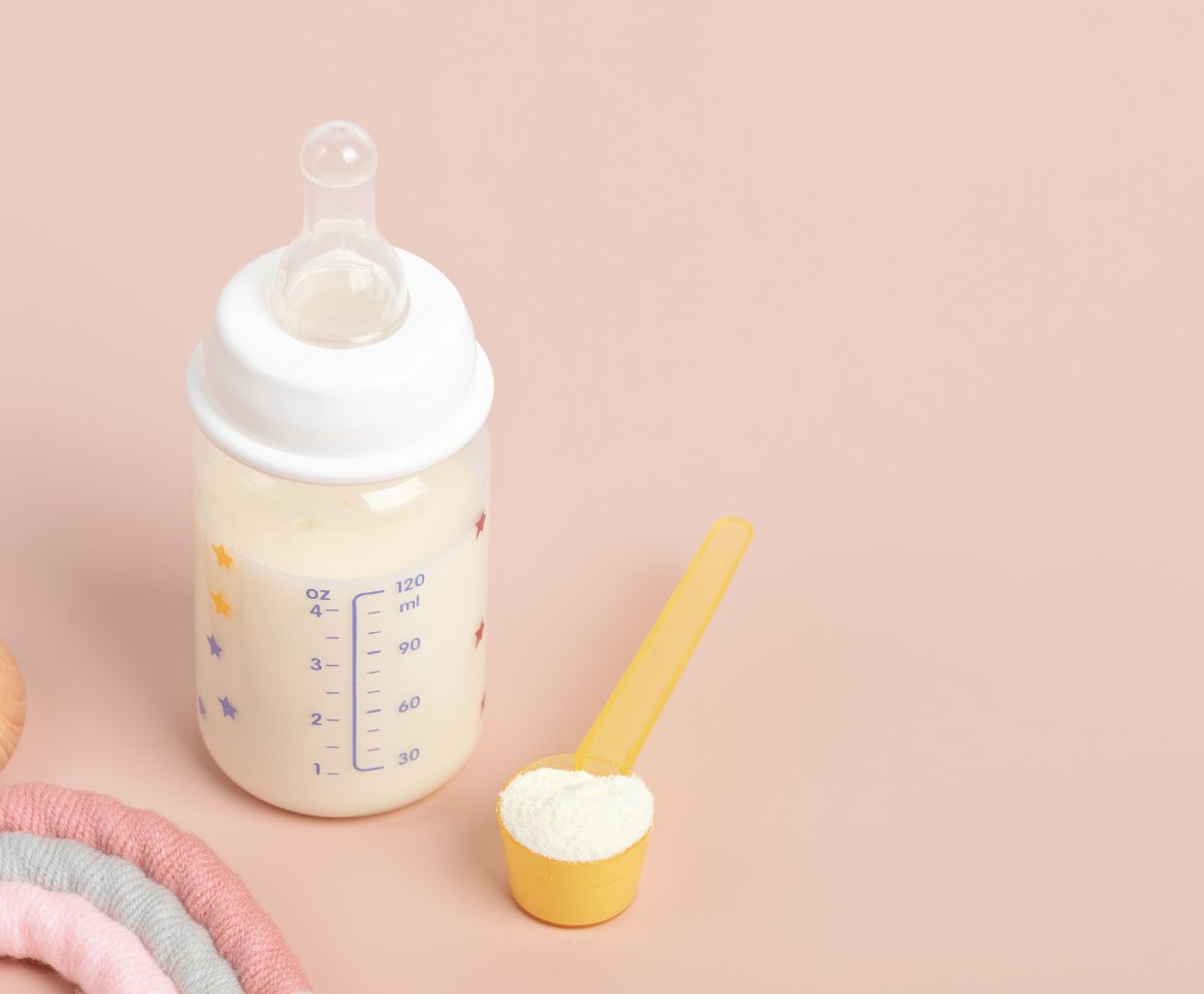
Combination feeding, also called mixed feeding, simply means your baby gets both breast milk and formula. Some parents plan it from the start. Others add formula because of low supply, a return to work, a medical reason, or simply because they need more rest and help with feeds. All of these are valid reasons.
Combination feeding can work well for years, or it can be a bridge back to more breastfeeding. Either way, a little planning helps you keep the breast milk you want while giving formula safely. Here’s how to start, how to protect your supply, and how to prepare formula the way the CDC recommends.
What combination feeding looks like
There’s no single right pattern. Common setups include:
- Breastfeeding most of the time, with one or two formula bottles a day, for example an evening feed someone else can give.
- Breastfeeding when you’re together and formula while you’re apart, such as at daycare or during work shifts.
- Topping up after breastfeeds with a small amount of formula when your baby’s doctor has advised extra milk.
- Pumped breast milk plus formula in bottles, if your baby doesn’t feed at the breast.
You can also give expressed breast milk and formula in the same bottle, as long as the formula is made up with water first. Our guide to mixing breast milk and formula explains the safe order and timing.
How to start combination feeding
Go slowly
The NHS recommends cutting back breastfeeds gradually rather than all at once. Start by replacing one breastfeed a day with a bottle. Your breasts may take about 5 to 7 days to adjust each time you drop a feed, so give each change time before making the next one. Going slowly also lowers your risk of overfull breasts, leaking and mastitis.
Pick the first feed to swap
Choose a feed that is easiest for your routine, often one where a partner or caregiver can help. Many parents choose the bedtime feed, hoping it helps their baby sleep longer. The NHS notes that this is unlikely to help a newborn, who needs to feed little and often anyway.
Offer breast milk first when you can
When you’re supplementing, the AAP suggests starting feeds with the breast milk you have, then giving formula if your baby still needs more. That way none of your milk goes to waste.
Use responsive bottle feeding
Let your baby set the pace and the amount. Hold your baby fairly upright, let them pause, and stop when they show they’re full rather than encouraging them to finish the bottle. Paced bottle feeding is a simple way to do this, and it can make switching between breast and bottle easier.
Protecting your milk supply
Your body makes milk in response to how often and how well milk is removed. Each breastfeed you replace with formula sends a signal to make a little less. The NHS is clear that introducing formula will probably reduce your breast milk supply. That’s not a reason to avoid it, but it helps to plan:
- Keep breastfeeding regularly at the feeds you want to keep. Feeding on demand at those times helps.
- Pump when you miss a feed if you want to keep your current supply, for example while you’re at work. Our pumping schedule guide has sample routines for work days and nights.
- Make changes one at a time so you can see how your body responds.
- Watch for engorgement. If your breasts feel hard, hot or painful after dropping a feed, express a little milk for comfort and cut back more slowly.
If your supply has dropped and you want more breast milk again, frequent, effective milk removal is the main tool. See how to increase milk supply for practical steps. Specific “milk-boosting” foods or supplements aren’t necessary, according to the AAP.
How to prepare formula safely (CDC steps)
Powdered formula is the type most families use to supplement. It is not sterile, so careful preparation matters. The CDC recommends:
- Wash your hands with soap and water, and clean your work surface and bottles.
- Use water from a safe source. If you’re not sure your tap water is safe, contact your local health department.
- Measure the water first, then add the powder, using exactly the amount on the container. Too much water can leave your baby short on nutrients, and too little can cause dehydration.
- Shake to mix. Formula doesn’t need to be warmed. If you do warm it, put the bottle under warm running water. Never use the microwave.
- Test a few drops on your wrist. It should feel warm, not hot.
The AAP adds that formula diluted with too much water can cause serious health problems, including seizures from water intoxication, so never stretch formula with extra water.
Extra care for young or vulnerable babies
If your baby is younger than 2 months, was born before 37 weeks, or has a weakened immune system, the CDC recommends extra precautions with powdered formula. Boil the water, wait about 5 minutes, then mix the formula while the water is still hot. Water around 158°F (70°C) is hot enough to kill germs such as Cronobacter. Let the bottle cool and test it on your wrist before feeding. Ask your baby’s doctor whether liquid ready-to-feed formula, which is sterile, would be a better choice.
How long prepared formula lasts
| Situation | CDC guidance |
|---|---|
| At room temperature after mixing | Use within 2 hours |
| Once your baby starts drinking | Use within 1 hour, then throw away leftovers |
| Not used within 2 hours | Refrigerate right away and use within 24 hours |
| Opened container of powder | Keep lid closed in a cool, dry place (not the fridge); most labels say use within 1 month |
Breast milk follows different, longer storage rules than formula, so keep track of which is which when you prep bottles ahead.
Is your baby getting enough?
Whether your baby is breastfed, formula fed or both, the same signs tell you feeding is going well: steady weight gain, plenty of wet and dirty diapers, and a baby who seems content after most feeds. To estimate how much milk babies typically need by age, try the breast milk intake calculator.
For more on the basics of feeding your baby, visit our breastfeeding basics hub.
When to call a doctor or lactation consultant
Call your baby’s doctor if your baby has fewer wet diapers than usual, isn’t gaining weight, vomits often, seems unusually sleepy or hard to wake for feeds, or shows signs of an allergic reaction such as hives, swelling or blood in the stool after starting formula.
See your own doctor if you have a painful, red or hot area on your breast with fever or flu-like symptoms, as this may be mastitis.
A lactation consultant (IBCLC) can help you build a combination feeding plan, choose which feeds to swap, protect or rebuild your supply, and manage bottle preference. Our breastfeeding support page lists where to find help, including free options.
Frequently asked questions
Is combination feeding bad for my baby?
No. Babies can thrive on breast milk, formula or both, and every amount of breast milk your baby gets is worthwhile. The AAP still recommends exclusive breastfeeding for about the first 6 months when that is possible, so talk with your baby's doctor about what fits your family.
Will my baby still breastfeed once they've had bottles?
Most babies switch between breast and bottle without trouble, especially once breastfeeding is going well. Some babies start to prefer the faster flow of a bottle, which is one reason many parents use paced bottle feeding.
Can I combination feed from birth?
Yes, though in the first weeks your supply is still being set by how much milk is removed. If you hope to breastfeed a lot later on, a lactation consultant can help you plan supplements and pumping so your supply has the best chance to build.
How much formula should I give?
It depends on your baby's age, weight and how much breast milk they are getting. Follow your baby's hunger and fullness cues, watch diapers and weight gain, and ask your baby's doctor if you're unsure.
Sources
- CDC: Infant Formula Preparation and Storagehttps://www.cdc.gov/infant-toddler-nutrition/formula-feeding/preparation-and-storage.html
- NHS: Introducing formula feedshttps://www.nhs.uk/best-start-in-life/baby/feeding-your-baby/mixed-feeding/introducing-formula-feeds/
- HealthyChildren.org (AAP): Low Breast Milk Supply: 5 Steps That Can Helphttps://www.healthychildren.org/English/ages-stages/baby/breastfeeding/Pages/low-breast-milk-supply.aspx
- HealthyChildren.org (AAP): How to Safely Prepare Baby Formula With Waterhttps://www.healthychildren.org/English/ages-stages/baby/formula-feeding/Pages/how-to-safely-prepare-formula-with-water.aspx
This guide is general information, not medical advice. For your own situation, talk to your doctor, midwife, pharmacist or an IBCLC lactation consultant. Read our medical disclaimer and find breastfeeding support near you.
Related articles
Breastfeeding vs Formula: An Honest, Judgment-Free Comparison
Breastfeeding vs formula side by side: nutrition, immunity, cost, convenience and who can feed, plus combination feeding and safe formula prep.
Mixing Breast Milk and Formula: Is It Safe and How to Do It
You can mix breast milk and formula in one bottle if formula is made with water first. Here's the safe order, timing and tips.

Paced Bottle Feeding: How to Bottle Feed a Breastfed Baby
Step-by-step paced bottle feeding: how to hold your baby and the bottle, when to pause, how long a feed should take and the signs your baby is full.

How Often to Breastfeed a Newborn (and How That Changes by Age)
Most newborns breastfeed 8 to 12 times a day. Here's what's normal by age, plus cluster feeding, growth spurts and when to wake a sleepy baby.