How to Become a Lactation Consultant (IBCLC): Requirements and Pathways
By Breastfeeding Mom Editorial TeamUpdated 6 min read
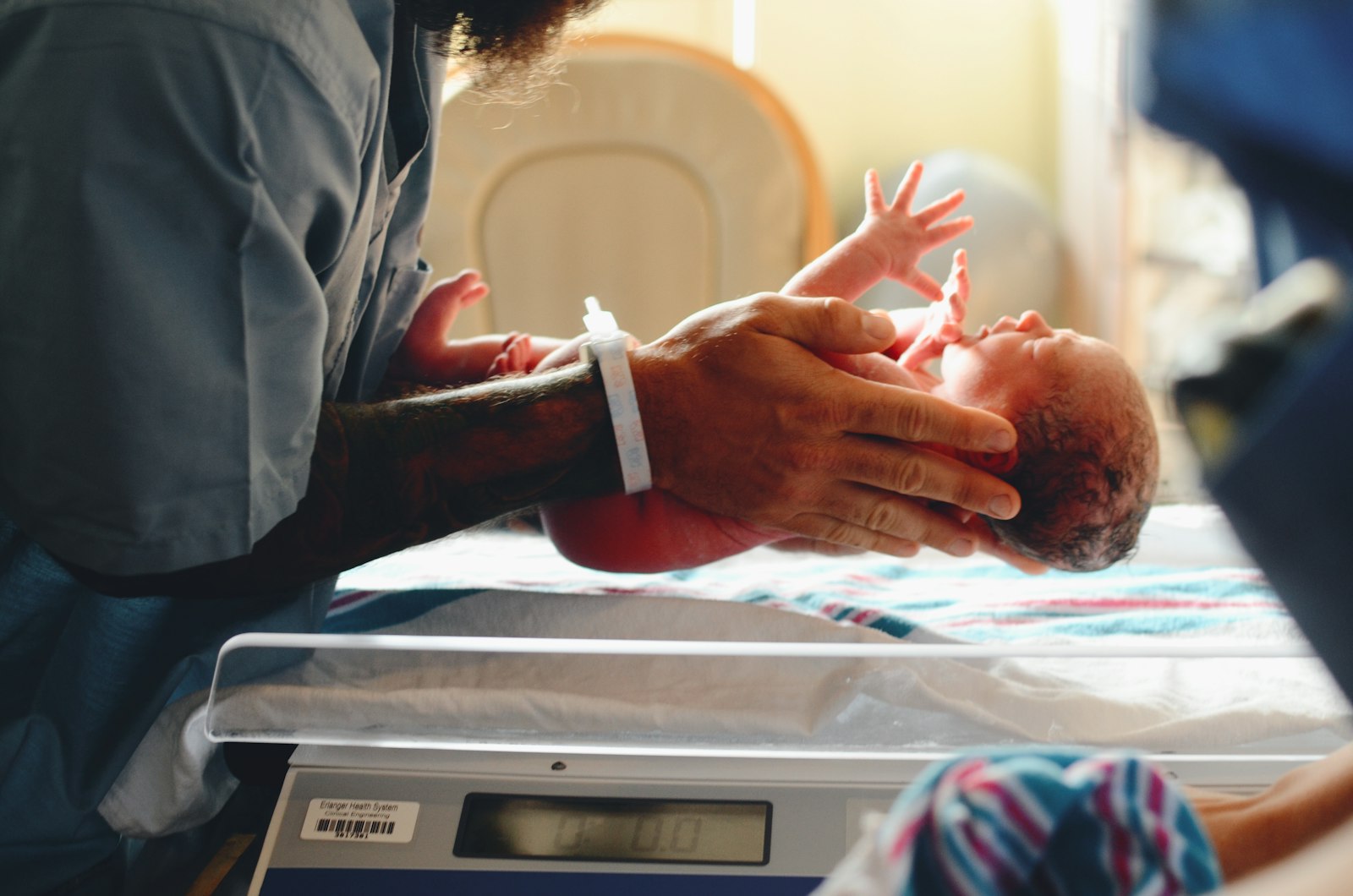
Lactation consultants help families with everything from latch and sore nipples to low supply, premature babies and pumping for work. If you’ve been helped by one, or you already support breastfeeding families as a nurse, peer counselor or volunteer, you may be wondering what it takes to do the work yourself.
In the US, “lactation consultant” usually means an IBCLC: an International Board Certified Lactation Consultant. The credential is run by the International Board of Lactation Consultant Examiners (IBLCE), whose certification information now sits on the IBCLC Commission website. This guide walks through the current requirements. Rules change from time to time, so always confirm the details in IBLCE’s current candidate guides before you enroll in anything.
What an IBCLC does
IBCLCs are trained to assess and manage breastfeeding and lactation problems in clinical settings: hospitals, pediatric and OB offices, private practice, home visits and telehealth. Many families meet one after a hard start, a baby who won’t latch or a supply worry. (Our breastfeeding support page explains how IBCLCs fit alongside La Leche League Leaders, WIC peer counselors and other helpers.)
The three IBCLC requirements
Every candidate, on every pathway, must meet requirements in three areas and agree to follow the Code of Professional Conduct for IBCLCs.
1. Health sciences education
IBLCE lists 14 health science subjects that must be completed before you apply for the exam.
You’re exempt if you’re educated in a profession on IBLCE’s Recognised Health Professions List. That list includes nurses, midwives, physicians, dentists, dietitians, pharmacists, occupational therapists, physical therapists and speech pathologists or therapists.
If you’re not, IBLCE’s Health Sciences Education Guide sets out the subjects. Eight must be taken for academic credit at a college or university: biology, human anatomy, human physiology, infant and child growth and development, introduction to clinical research, nutrition, psychology or counseling or communication skills, and sociology or cultural sensitivity or cultural anthropology. The other six can be continuing education courses: basic life support, medical documentation, medical terminology, occupational safety and security for health professionals, professional ethics for health professionals, and universal safety precautions and infection control. Check the guide itself for what each course must cover.
2. Lactation-specific education
You need at least 95 hours of lactation-specific education:
- 90 hours of lactation-specific education, of which 2 hours must focus on the WHO International Code of Marketing of Breast-milk Substitutes (required since the April 2025 exam)
- 5 hours of communication skills education
This education must be completed within the five years before you apply for the exam. IBLCE does not offer, approve or accredit lactation courses itself, so you choose a provider and make sure the hours meet IBLCE’s criteria.
3. Lactation-specific clinical experience
This is where the three pathways differ. Clinical hours must be earned within the five years immediately before your exam application, and they must involve actually providing lactation and breastfeeding care. Observing or shadowing doesn’t count.
| Pathway | Who it’s for | Clinical hours |
|---|---|---|
| Pathway 1 | Recognized health professionals, or people providing care through a recognized breastfeeding support counselor organization (for example, some peer counselor programs) | 1,000 hours of lactation-specific clinical practice in an appropriate supervised setting |
| Pathway 2 | Students in an accredited lactation academic program | At least 300 hours of directly supervised clinical practice, built into the program |
| Pathway 3 | People mentored by one or more IBCLCs | 500 hours of directly supervised clinical practice; the mentorship plan must be verified by IBLCE (with a fee) before you start earning hours |
Pathway 1 suits people who already care for breastfeeding families in their job or volunteer role. Only time spent actually providing lactation and infant feeding care counts, so keep a careful log from the start.
Pathway 2 packages the education and supervised clinical practice into one accredited academic program. It’s often the most structured route if you’re starting from scratch.
Pathway 3 works if you can find an IBCLC (or several) willing to mentor you. Get the plan approved first; hours earned before approval don’t count for this pathway.
The IBCLC exam
Once you meet the requirements, you apply to sit the exam. According to IBLCE:
- It has 175 multiple-choice questions in two parts.
- The appointment lasts four hours, including time for the non-disclosure agreement, an optional tutorial and one scheduled break.
- You can’t go back to Part One once you finish it, and most Part Two questions include a clinical image.
- It’s offered in English in March and/or April, and in all of IBLCE’s exam languages in September.
- Extra time is available with documented accommodations, and test takers whose primary language isn’t one of the translated versions get 30 extra minutes.
The exam content follows IBLCE’s Detailed Content Outline, which covers topics across the whole span of lactation care, from anatomy and infant development to latch and positioning, common breastfeeding problems and ethics.
Recertification every five years
IBCLCs recertify every five years. Every cycle, you need:
- At least 250 hours of lactation-related work (clinical practice, education, administration, research or advocacy; paid or volunteer)
- Basic life support education, such as CPR or NRP
- 2 hours on the WHO Code (for those recertifying in 2025 or later)
Then you choose a method:
- By CERPs: complete IBLCE’s free online CE Self-Assessment (about 70 questions), which produces a Personalised Professional Development Plan, then earn 75 CERPs (continuing education recognition points; 1 CERP equals 60 minutes of education), including set minimums of lactation-specific and ethics CERPs. Topics where you scored below 75% on the self-assessment need at least 5 CERPs each.
- By exam: retake the IBCLC exam. Since IBLCE’s 2022 changes, retesting every 10 years is no longer required, so the exam is optional.
IBCLC vs CLC: what’s the difference?
You’ll also see the CLC (Certified Lactation Counselor) credential. It’s a separate certification from a different organization, the Academy of Lactation Policy and Practice (ALPP), not IBLCE.
| IBCLC | CLC | |
|---|---|---|
| Certifying body | IBLCE | ALPP |
| Education | 95 hours lactation-specific, plus health sciences | 95 hours of didactic training (since April 2024), plus competency verification |
| Clinical experience | 300 to 1,000 hours, depending on pathway | Competency verification (see ALPP’s current candidate handbook) |
| Exam | IBCLC exam, offered by IBLCE | CLC exam, offered by ALPP |
Many people start as a CLC, peer counselor or La Leche League Leader and later work toward the IBCLC. If your goal is clinical work in hospitals or private practice, check which credential local employers and insurers expect.
Getting started
- Decide which pathway fits your background.
- Check whether you’re exempt from the health sciences subjects, or plan how to complete them.
- Choose a lactation education provider and keep every certificate.
- Line up your clinical experience (and, for Pathway 3, get your plan approved first).
- Read IBLCE’s current Candidate Information Guide before you apply.
If you’re new to the field, our breastfeeding basics hub is a good refresher on the everyday questions families bring to a lactation consultant.
Frequently asked questions
Do I need to be a nurse to become a lactation consultant?
No. Nurses, midwives, doctors, dietitians and other recognized health professionals skip the separate health sciences coursework, but people without a health degree can qualify too by completing the required health science subjects and one of the clinical pathways.
How long does it take to become an IBCLC?
It depends on your starting point and pathway. The education and clinical hours must be completed within the five years before you apply for the exam, so most people plan their route over one to several years. Your chosen program or mentor can give you a realistic timeline.
Can I earn clinical hours online or by phone?
Lactation care given by phone or online can count toward clinical hours under IBLCE's rules, and IBLCE has issued guidance on using technology for clinical practice. Observing or shadowing someone else does not count. Check the current guidance for your pathway before you start logging hours.
Is IBCLC certification recognized outside the US?
Yes. The IBCLC is an international credential, and the exam is offered in several languages. Whether you can bill insurance or work in a given setting depends on local rules and employers.
Sources
- IBCLC Commission (IBLCE): Step 1, Prepare for IBCLC Certificationhttps://ibclc-commission.org/step-1-prepare-for-ibclc-certification/
- IBCLC Commission (IBLCE): Health Sciences Educationhttps://ibclc-commission.org/step-1-prepare-for-ibclc-certification/health-sciences-education/
- IBCLC Commission (IBLCE): Lactation Specific Clinical Experiencehttps://ibclc-commission.org/step-1-prepare-for-ibclc-certification/lactation-specific-clinical-experience/
- IBCLC Commission (IBLCE): Step 1, Prepare for IBCLC Recertificationhttps://ibclc-commission.org/step-1-prepare-for-ibclc-recertification/
- IBLCE FAQ: How Long Will I Be Given to Take the Examination?https://iblce.org/faq/how-long-will-i-be-given-to-take-the-exam
- ALPP: Certified Lactation Counselor (CLC) Certification Program Pathway Pre-Requisite Updatehttps://www.alpp.org/news/certified-lactation-counselor-clc-certification-program-pathway-pre-requisite-update/
This guide is general information, not medical advice. For your own situation, talk to your doctor, midwife, pharmacist or an IBCLC lactation consultant. Read our medical disclaimer and find breastfeeding support near you.
Related articles

Breastfeeding vs Formula: An Honest, Judgment-Free Comparison
Breastfeeding vs formula side by side: nutrition, immunity, cost, convenience and who can feed, plus combination feeding and safe formula prep.
Selling Breast Milk: Safety Risks, the Law and Safer Ways to Share
Thinking about selling breast milk? What the FDA advises, the real safety risks of milk sold online, legal notes, and how to donate to a milk bank.
Combination Feeding: How to Mix Breastfeeding and Formula
How to start combination feeding with breast milk and formula, protect your milk supply, and prepare formula safely the way the CDC recommends.

History of Breastfeeding: From Ancient Feeding Vessels to Today
The history of breastfeeding, from ancient clay feeding vessels and wet nurses to the rise of formula, the Nestlé boycott and the WHO Code.