Postpartum Thyroiditis and Breastfeeding: Symptoms, Tests, Treatment and Hair Loss
By Breastfeeding Mom Editorial TeamUpdated 7 min read
A few months after your baby arrives, you’re exhausted, your heart is racing at night, your hair is coming out in the shower, or you feel flat and foggy. Almost all of that can be explained by new-baby life. But sometimes it’s your thyroid.
Postpartum thyroiditis is a thyroid problem that begins after birth. This guide explains the phases, who’s at risk, how doctors test for it, how treatment fits with breastfeeding, and how it differs from ordinary postpartum hair shedding. It’s general information. Only a doctor can diagnose a thyroid condition, so please don’t try to work out your own diagnosis from a symptom list. For more on feeding and health after birth, see our nutrition and health guides.
What is postpartum thyroiditis?
The thyroid is a butterfly-shaped gland at the front of your neck that makes hormones that help your body use energy and stay warm. The American Thyroid Association (ATA) explains that postpartum thyroiditis is inflammation of the thyroid after delivery. The exact cause isn’t known, but it’s believed to be an autoimmune condition very similar to Hashimoto’s thyroiditis.
The ATA says it occurs in approximately 5 to 10% of women in the United States. A 2012 review in the Journal of Clinical Endocrinology & Metabolism puts the rate at 5.4% in the general population.
The two phases
The classic pattern is an overactive phase followed by an underactive phase, but not everyone goes through both.
| Thyrotoxic (overactive) phase | Hypothyroid (underactive) phase | |
|---|---|---|
| Typical timing (ATA) | 1 to 4 months after delivery, lasting 1 to 3 months | 4 to 8 months after delivery, may last up to 9 to 12 months |
| Symptoms (ATA) | Anxiety, insomnia, palpitations, fatigue, weight loss, irritability | Fatigue, weight gain, constipation, dry skin, depression, poor exercise tolerance |
Two things make it easy to miss. The ATA notes that overactive-phase symptoms are often put down to the stress of having a new baby, so that phase is often overlooked. And it is much more common for women to first seek help during the underactive phase.
The ATA says not every woman goes through both phases, with roughly a third showing both. The 2012 review reports different proportions, with 22% having the classic two-phase pattern, 48% an isolated hypothyroid phase and 30% isolated thyrotoxicosis. The exact split varies between studies.
Most women regain normal thyroid function within 12 to 18 months of onset, according to the ATA. About 20% of those who go through the hypothyroid phase remain hypothyroid. The 2012 review reports a 20 to 40% rate of permanent hypothyroidism in long-term follow-up, so ask your doctor about follow-up testing after an episode.
Who is at higher risk?
The ATA lists these risk factors:
- An autoimmune disorder such as type 1 diabetes
- Positive anti-thyroid antibodies (the higher the antibody level, the higher the risk)
- A history of thyroid dysfunction
- A previous episode of postpartum thyroiditis (the ATA says 20% of these women have a recurrence with later pregnancies)
- A family history of thyroid problems
If any of these apply to you, tell your obstetric provider and your own doctor early.
How is it diagnosed?
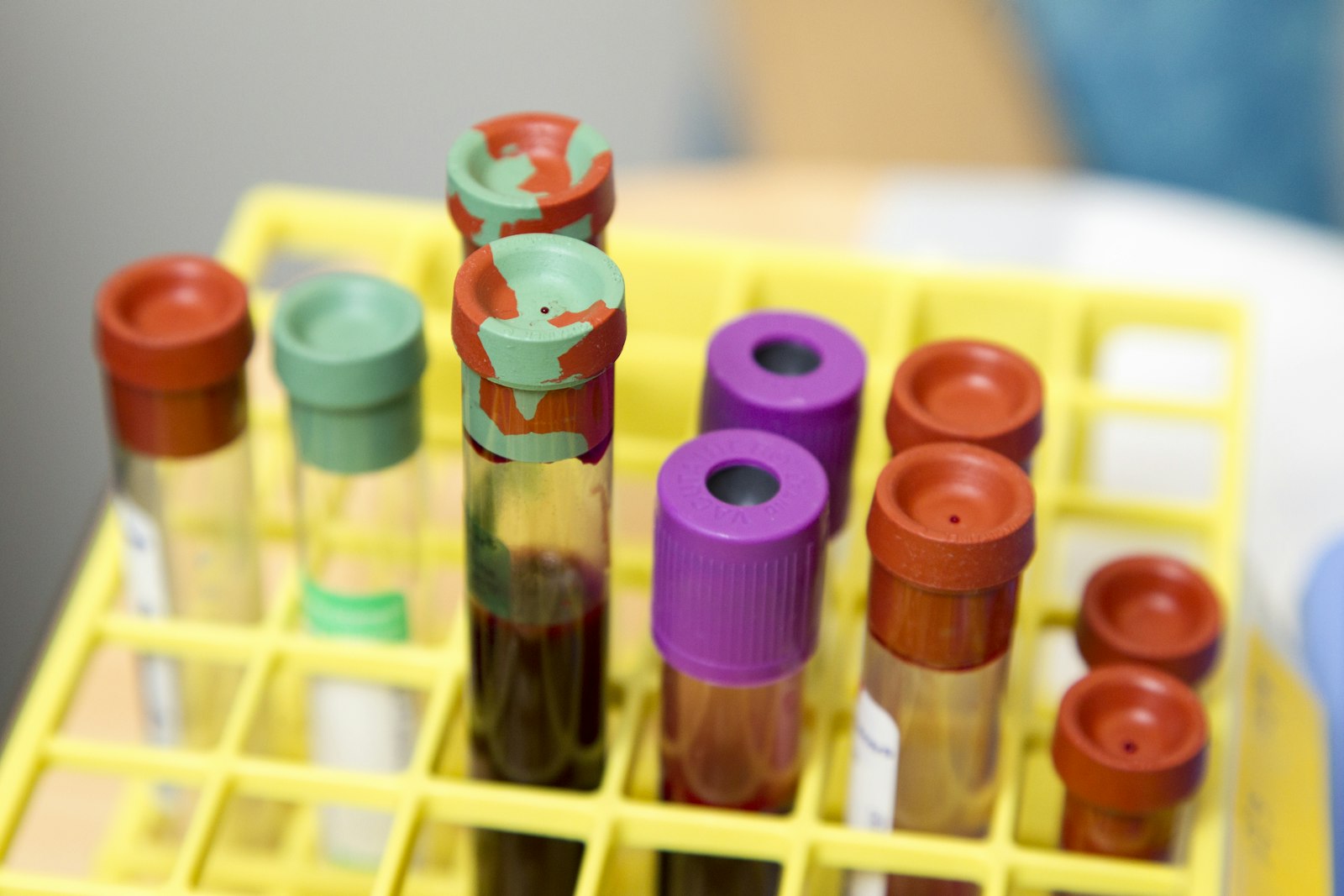
With blood tests. The ATA says the best way to start testing thyroid function is to measure TSH (thyroid-stimulating hormone), often alongside free T4, the unbound thyroid hormone your body can use:
- A high TSH usually means the thyroid isn’t making enough hormone (hypothyroidism).
- A low TSH usually means it’s making too much (hyperthyroidism).
The 2012 review defines postpartum thyroiditis as new autoimmune thyroid disease other than Graves’ disease, so doctors also need to rule out Graves’ disease, another cause of an overactive thyroid. That is one more reason this is a job for a clinician rather than a symptom checklist.
Tell every clinician that you’re breastfeeding before any thyroid test or treatment is planned. The ATA’s hyperthyroidism page says radioactive iodine should not be used if you are pregnant or breastfeeding.
Treatment and breastfeeding
Treatment depends on the phase and how bad your symptoms are.
Overactive phase. The ATA says beta-blockers may be used to ease palpitations and tremors and can be stopped as symptoms improve, since this phase is temporary. Antithyroid medicines aren’t used, because the thyroid isn’t actually overactive. NIH LactMed says propranolol passes into breast milk at low levels, that the amounts an infant ingests are small and not expected to cause adverse effects, and that no special precautions are required. Other beta-blockers differ, so ask your doctor which one you’re prescribed and check it with your pharmacist.
Underactive phase. The ATA says the hypothyroid phase may be treated with thyroid hormone replacement, and that no treatment may be needed if it’s mild with few symptoms. If treatment starts, it usually continues for about 6 to 12 months and then is reduced to see whether it’s still needed. The 2012 review says treatment of the hypothyroid phase is indicated for symptom relief and in women who are breastfeeding or trying to conceive.
Levothyroxine and breastfeeding. LactMed says levothyroxine is a normal component of human milk, and limited data on replacement doses during breastfeeding indicate no adverse effects in infants. It adds that the ATA recommends treating subclinical and overt hypothyroidism with levothyroxine in women seeking to breastfeed. LactMed also notes that in women with Hashimoto’s thyroiditis, the levothyroxine dose needed may be higher after birth than before pregnancy, so dose needs are worth reviewing with your doctor.
Our medicines and safety guides cover other drugs you may be asked about. Never stop or change a thyroid medicine on your own.
Does it affect milk supply?
The sources we read say little. LactMed states that adequate levothyroxine treatment during lactation may normalize milk production in hypothyroid mothers with low supply, but that it doesn’t return milk fat levels to normal. It also says mothers taking levothyroxine because of gestational hypothyroidism may have lower exclusive breastfeeding rates at 1 month and more early formula supplementation. That is an association and doesn’t show the thyroid caused it.
So a thyroid problem is one possible contributor to low supply, but it’s far from the most common one. If your supply is a concern, start with feeding frequency, latch and milk removal, as covered in our guide on how to increase milk supply, and raise thyroid questions with your doctor if you also have other symptoms. If you’re considering herbs for supply, note that some, like fenugreek, come with thyroid cautions (see fenugreek and breastfeeding).
Postpartum hair loss versus thyroid
Hair shedding a few months after birth is extremely common and usually isn’t about your thyroid.
- What it is. The American Academy of Dermatology (AAD) says dermatologists call it telogen effluvium, meaning excessive shedding rather than true hair loss, and it’s caused by falling estrogen levels.
- Timing. The AAD says shedding usually peaks about four months after birth, and by a child’s first birthday most women regain their normal hair growth. Cleveland Clinic says it begins about three months after childbirth and the shedding should last less than six months. Losing more than 100 hairs a day is described as typical of postpartum shedding, compared with up to 100 normally.
- Breastfeeding. Neither the AAD nor Cleveland Clinic pages we read name breastfeeding as the cause. Both point to the hormone shift after birth.
- When to look further. The AAD suggests seeing a dermatologist if your hair hasn’t regained its fullness after one year. Cleveland Clinic suggests talking with your provider if you keep losing hair for more than six months, because another condition such as iron deficiency or thyroid disease may be the cause. The ATA lists hair loss among symptoms of hyperthyroidism.
The timing overlaps: shedding peaks around month four, just when the overactive phase can happen. If your shedding comes with palpitations, tremor, unusual weight change, extreme fatigue or low mood, mention it all to your doctor and ask whether a TSH test is appropriate.
Mood, tiredness and your thyroid
Low mood is on the ATA’s list of hypothyroid-phase symptoms, but the link between postpartum thyroiditis and postpartum depression is unclear. The 2012 review says studies are conflicting and no firm conclusions can be reached. Either way, tell your doctor if you feel persistently low or anxious. If you ever think about harming yourself or your baby, call or text 988 in the US, or call 911 if anyone is in immediate danger. Tiredness is also a topic of its own: see does breastfeeding make you tired.
When to call a doctor
Contact your doctor if you have:
- A racing or irregular heartbeat, tremor, anxiety or trouble sleeping that isn’t explained by caring for a newborn
- Marked tiredness, feeling cold, constipation, dry skin or low mood that don’t improve
- Fullness in your neck or trouble swallowing
- Hair shedding that continues beyond six months or comes with other symptoms
- A history of thyroid disease or type 1 diabetes and you’ve just had a baby
Get urgent medical care for chest pain or trouble breathing. For breastfeeding help alongside medical care, see our breastfeeding support page.
Frequently asked questions
Can I keep breastfeeding if I have postpartum thyroiditis?
Usually yes. LactMed says limited data on levothyroxine replacement doses during breastfeeding show no adverse effects in infants, and the American Thyroid Association recommends treating hypothyroidism with levothyroxine in women who want to breastfeed. Your doctor will choose treatment for your situation.
Does postpartum thyroiditis cause low milk supply?
The sources we read don't give a clear answer. LactMed says adequate levothyroxine treatment may normalize milk production in hypothyroid mothers who have low supply. If your supply drops and you also feel unusually tired, cold or low, ask your doctor whether a thyroid test makes sense.
Is postpartum hair loss a sign of a thyroid problem?
Usually not. The American Academy of Dermatology says shedding a few months after birth is normal and caused by falling estrogen levels. Cleveland Clinic advises talking with your provider if shedding lasts more than six months, since iron deficiency or thyroid disease can be the cause.
Will postpartum thyroiditis go away?
Often, but not always. The ATA says most women regain normal thyroid function within 12 to 18 months of onset, though about 20% of those who go through the underactive phase stay hypothyroid. Ask your doctor about follow-up testing.
Can postpartum thyroiditis happen again?
Yes. The ATA says about 20% of women with previous postpartum thyroiditis have a recurrence with later pregnancies.
Sources
- American Thyroid Association: Postpartum Thyroiditishttps://www.thyroid.org/postpartum-thyroiditis/
- American Thyroid Association: Thyroid Function Testshttps://www.thyroid.org/thyroid-function-tests/
- American Thyroid Association: Hyperthyroidism (Overactive)https://www.thyroid.org/hyperthyroidism/
- LactMed: Levothyroxinehttps://www.ncbi.nlm.nih.gov/books/NBK501003/
- LactMed: Propranololhttps://www.ncbi.nlm.nih.gov/books/NBK501162/
- Stagnaro-Green A. Approach to the patient with postpartum thyroiditis. J Clin Endocrinol Metab. 2012https://pubmed.ncbi.nlm.nih.gov/22312089/
- American Academy of Dermatology: Hair loss in new momshttps://www.aad.org/public/diseases/hair-loss/insider/new-moms
- Cleveland Clinic: Postpartum Hair Losshttps://my.clevelandclinic.org/health/diseases/23297-postpartum-hair-loss
This guide is general information, not medical advice. For your own situation, talk to your doctor, midwife, pharmacist or an IBCLC lactation consultant. Read our medical disclaimer and find breastfeeding support near you.
Related articles

Does Breastfeeding Make You Tired? Why It Happens and When to Worry
Why breastfeeding can make you sleepy, how night feeds affect your rest, and the medical causes of exhaustion, like anemia and thyroid problems.
How to Lose Weight While Breastfeeding Without Hurting Your Supply
Does breastfeeding make you lose weight? What the studies show, how many calories you need, a safe pace and the habits that protect your milk supply.
D-MER (Dysphoric Milk Ejection Reflex): Why Let-Down Can Bring Sudden Sadness
D-MER is a brief wave of sadness, anxiety or dread just before milk lets down. Learn what it feels like, why it may happen and how it differs from PPD.
Period While Breastfeeding: When It Returns and What Changes
When your period usually comes back while breastfeeding, how it can affect milk supply, what it means for fertility and when to see a doctor.