Fenugreek for Breastfeeding: Does It Work, and Is It Safe?
By Breastfeeding Mom Editorial TeamUpdated 5 min read
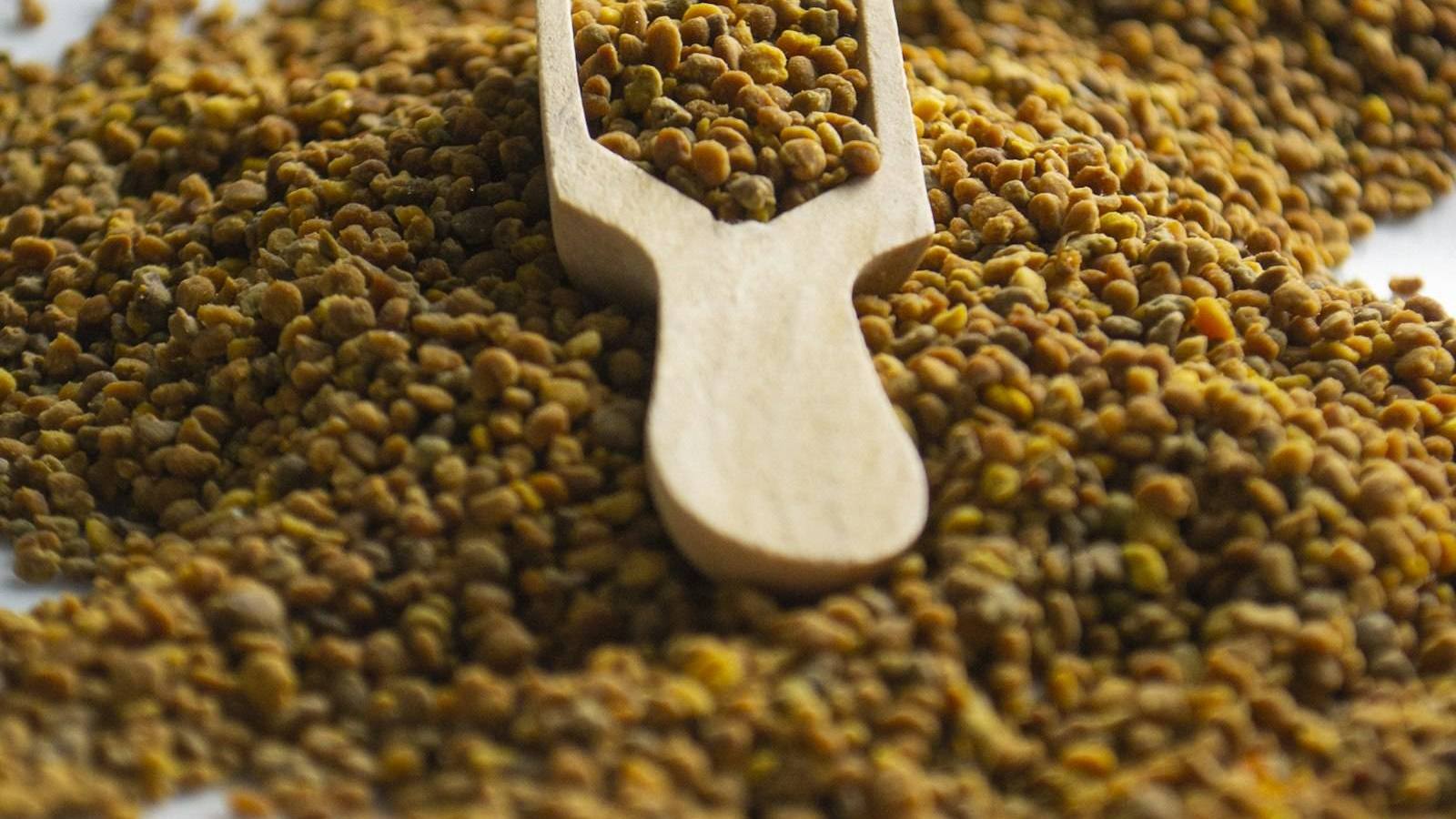
Fenugreek is probably the most famous herb for breast milk supply. It’s sold as capsules, tinctures and teas, and it shows up in many lactation blends, cookies and drink mixes. If you’re worried about your supply, a friend or a forum has likely suggested it.
Here’s what the research actually says about fenugreek and breastfeeding, the side effects to know about, and who should skip it. It’s general information, not medical advice, so check with your doctor, pharmacist or a lactation consultant (IBCLC) before you start any supplement. For the broader picture, see our milk supply guide.
What is fenugreek?
Fenugreek (Trigonella foenum-graecum) is a plant whose seeds are used as a spice and as a traditional medicine. LactMed, the National Library of Medicine’s database on drugs and breastfeeding, says it has been used in many regions of the world as a galactagogue, a substance taken to increase milk supply, and it’s included in many proprietary milk-supply mixtures.
As a food flavoring, fenugreek is “generally recognized as safe” by the FDA. Supplement doses are a different matter, and that’s where the questions start.
Does fenugreek increase milk supply?
The honest answer: probably not much, if at all. Here’s what the main sources say:
- LactMed says the effect of fenugreek may be mainly psychological, although some studies suggest it might work by increasing insulin, prolactin and oxytocin. One meta-analysis found a mild effect, while another found no good evidence that it works.
- The Academy of Breastfeeding Medicine (ABM) reviewed galactagogues in its Protocol #9. It describes the fenugreek studies as mostly not high quality with mixed results, rates the evidence as insufficient, and says a significant placebo effect is likely. Overall, the ABM says it cannot recommend any specific galactagogue.
- NCCIH, part of the National Institutes of Health, says the evidence on whether fenugreek helps milk supply is mixed (NCCIH).
LactMed also notes that some studies tested combination products in which fenugreek was only one ingredient, so their results may not apply to fenugreek alone. And it may be more effective in the first few days after birth than after 2 weeks postpartum, although that evidence is limited too.
Our guide to lactation supplements compares fenugreek with moringa, goat’s rue, brewer’s yeast and blessed thistle.
Fenugreek side effects
Side effects are common enough to take seriously. In one US survey of 85 nursing mothers who had used fenugreek, LactMed reports that 45% said they’d had an adverse reaction.
| Side effect | What the sources say |
|---|---|
| Diarrhea and stomach upset | The most common side effect per ABM; LactMed also lists gas, nausea and vomiting |
| Maple-syrup smell | Sweat, urine, stool and possibly breast milk can smell like maple syrup |
| Allergic reactions | Possible, including serious ones; ABM lists possible anaphylaxis |
| Asthma | LactMed reports worsening of asthma |
| Lower blood sugar | LactMed says doses of about 25 grams or more a day may lower blood sugar; ABM lists hypoglycemia as a theoretical risk |
| Liver problems | LactMed says liver toxicity has been reported, both alone and in herbal combinations |
| Bleeding with blood thinners | LactMed says it can interact with warfarin |
LactMed also describes rarer reports, including a drop in blood potassium, a nursing mother who developed a severe skin reaction (toxic epidermal necrolysis) thought to be caused by fenugreek, and a mother with diarrhea and an enlarged liver who was taking fenugreek with fennel and goat’s rue.
The maple-syrup smell
This one surprises many people. Fenugreek contains a compound called sotolon, and LactMed says it can give urine, sweat, stool and possibly breast milk a maple-syrup odor. The smell itself isn’t harmful, but it’s worth knowing about so it doesn’t alarm you. If you notice an unusual smell in your baby’s diapers, mention it to your baby’s doctor.
Who should avoid fenugreek or ask first
Talk to your doctor before using fenugreek if any of these apply to you:
- Peanut, chickpea or other legume allergies. Fenugreek is a legume. LactMed says cross-reactions with chickpeas, peanuts and other legumes are possible, and the ABM also mentions soybeans, green peas and plants in the ragweed family.
- Asthma. Worsening asthma has been reported.
- Diabetes or low blood sugar. Fenugreek may lower blood sugar, and the ABM lists diabetes medicines, including insulin, among possible interactions. LactMed advises caution with high doses in women with diabetes.
- Blood thinners. The ABM lists warfarin, heparin, aspirin and antiplatelet drugs among possible interactions.
- Thyroid conditions. Evidence here is limited to animals. A 1999 study in mice and rats found that fenugreek seed extract lowered levels of the thyroid hormone T3. We found no studies in breastfeeding women, but if you have a thyroid condition or take thyroid medicine, ask your doctor first.
- Pregnancy. NCCIH says fenugreek isn’t safe during pregnancy in amounts greater than those in food. If there’s a chance you’re pregnant again, don’t use it.
About supplement quality
LactMed points out that US dietary supplements don’t need FDA approval before they’re sold. Products may contain several ingredients, and what’s in the bottle doesn’t always match the label. An independent quality seal can confirm ingredients but not safety or effectiveness. The ABM adds that herbal products need a reliable, standardized source without contaminants.
LactMed says the doses typically used for milk supply are 1 to 6 grams a day. That’s a description of how fenugreek is used, not a recommendation. If you and your provider decide to try it, follow the product label and don’t combine several supply products.
What works better for low milk supply
LactMed says galactagogues should never replace evaluation and counseling on the things that affect milk production. The most reliable way to make more milk is to remove milk more often and more effectively:
- Feed or pump frequently, including at night.
- Get the latch and positioning checked by an IBCLC.
- Make sure your pump fits and works well.
- Rule out medical causes with your doctor.
Our guide on how to increase milk supply walks through these steps, and power pumping is one technique some parents use. If you like the idea of a food-based approach, see what the evidence says about lactation cookies and mother’s milk tea, which often contains fenugreek.
When to call a doctor or lactation consultant
Stop fenugreek and get medical help right away if you have signs of an allergic reaction, such as hives, swelling of the face or throat, wheezing or trouble breathing. Call your doctor if you have ongoing diarrhea, dizziness or shakiness, unusual bruising or bleeding, or yellowing of your skin or eyes.
Call your baby’s doctor if your baby has diarrhea, a rash, seems unusually fussy, or isn’t having enough wet and dirty diapers. Our baby poop color chart shows typical diaper counts by age. And if you’re worried your baby isn’t getting enough milk, reach out to an IBCLC; our breastfeeding support page lists where to find one.
Frequently asked questions
How long does fenugreek take to work for breast milk?
There's no reliable answer, because good studies showing it works are lacking. LactMed notes some evidence that it may be more effective in the first few days after birth than after 2 weeks postpartum, but the overall evidence is weak.
Why does fenugreek make me smell like maple syrup?
Fenugreek contains sotolon, a compound that LactMed says can give urine, sweat, stool and possibly breast milk a maple-syrup odor. It's harmless in itself, but it's a sign the herb is in your system.
Can fenugreek decrease milk supply?
Some mothers think so. In a US survey described by LactMed, 5% of 122 mothers who used fenugreek felt it decreased their supply, while 43% felt it helped. Surveys like this can't prove cause and effect.
Is fenugreek in food or spice blends a problem?
No. The FDA classifies fenugreek as generally recognized as safe as a flavoring, and NCCIH says the amounts found in food are believed to be safe. The concerns are about larger supplement doses.
Can I take fenugreek while pregnant to prepare for breastfeeding?
No. NCCIH says fenugreek is not safe during pregnancy in amounts greater than those found in food, and it has been linked to birth defects. Wait until after your baby is born and talk to your provider first.
Sources
- LactMed: Fenugreekhttps://www.ncbi.nlm.nih.gov/books/NBK501779/
- Academy of Breastfeeding Medicine Clinical Protocol #9: Use of Galactogogues in Initiating or Augmenting Maternal Milk Production (2018)https://doi.org/10.1089/bfm.2018.29092.wjb
- NCCIH: Fenugreekhttps://www.nccih.nih.gov/health/fenugreek
- Panda S, et al. Inhibition of triiodothyronine production by fenugreek seed extract in mice and rats. Pharmacol Res. 1999https://pubmed.ncbi.nlm.nih.gov/10527654/
This guide is general information, not medical advice. For your own situation, talk to your doctor, midwife, pharmacist or an IBCLC lactation consultant. Read our medical disclaimer and find breastfeeding support near you.
Related articles
Lactation Supplements: Do Fenugreek, Moringa and Other Herbs Work?
An honest look at lactation supplements like fenugreek, moringa, goat's rue, brewer's yeast and blessed thistle: evidence, side effects and safety.
Mother's Milk Tea: Herbs, Evidence and Safety
What's in mother's milk and lactation teas, what the research says about fenugreek, fennel and blessed thistle, and how to drink them safely.

How to Increase Milk Supply: What Works and What Doesn't
Practical, evidence-based ways to increase breast milk supply, plus an honest look at fenugreek, domperidone and other galactagogues.

Moringa and Breastfeeding: Does It Boost Milk Supply, and Is It Safe?
Moringa (malunggay) is a traditional herb for milk supply. See what the trials and reviews found, how good the evidence is and what safety data exist.