Lactation Supplements: Do Fenugreek, Moringa and Other Herbs Work?
By Breastfeeding Mom Editorial TeamUpdated 6 min read
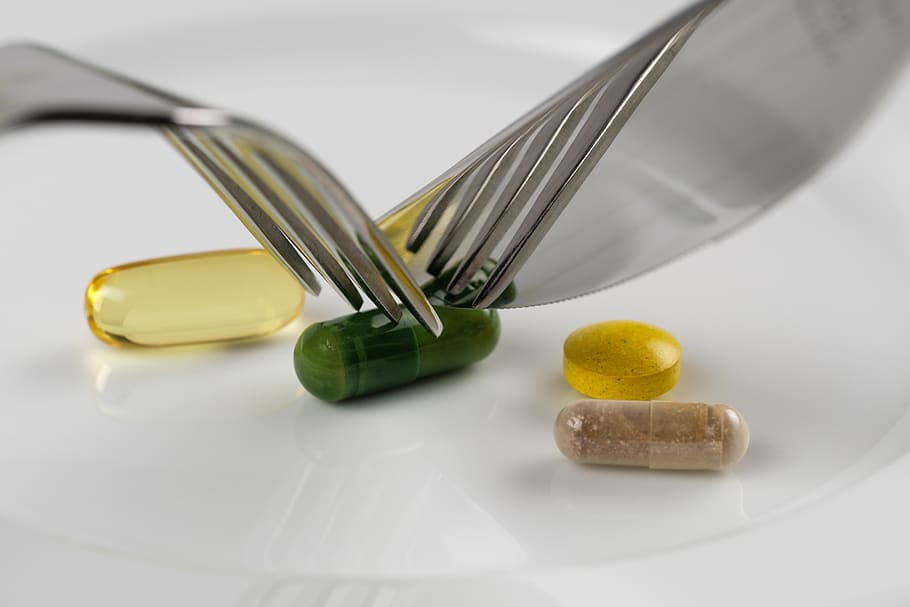
Walk down the baby aisle or scroll any parenting feed and you’ll see lactation supplements promising more milk: capsules, powders, drink mixes and teas. If you’re worried about your supply, it’s natural to want something that helps quickly. The honest answer is that the research behind these products is thin, and a few carry real risks.
This guide explains what lactation supplements are, what the evidence says about the most popular ones, how supplements are (and aren’t) regulated in the US, and what actually works for supply. It isn’t a substitute for advice about your own situation, so check with your doctor, pharmacist or a lactation consultant (IBCLC) before trying anything.
What are lactation supplements?
Lactation supplements are a type of galactagogue: a substance taken to start, maintain or increase milk production. Most are herbal, sold as capsules, tinctures, powders or teas, and many are blends of several herbs.
The Academy of Breastfeeding Medicine (ABM) reviewed the evidence in its Protocol #9 (2018) and concluded that it cannot recommend any specific galactagogue. The ABM points out that herbal preparations aren’t standardized, the evidence for both effectiveness and safety is limited, and supplements should never replace an evaluation of how feeding is going.
First: is your supply actually low?
Many parents worry about low supply when their baby is getting plenty. Soft breasts, short feeds, cluster feeding and small pumping output are all common and normal. The best signs that your baby is getting enough are steady weight gain and enough wet and dirty diapers. Our baby poop color chart includes typical diaper counts by age.
If your supply really is low, the ABM says the first steps are to make sure milk is being removed often and well, and to check for medical causes such as thyroid problems or retained placenta. Supplements can’t make up for infrequent or ineffective milk removal.
The evidence, herb by herb
| Supplement | What the evidence says | Main safety notes |
|---|---|---|
| Fenugreek | Small studies with mixed results. In one controlled study described by LactMed, milk volume with fenugreek was no different from the comparison group | Diarrhea and other stomach upset; a maple-syrup smell in sweat and urine; possible allergic reactions; not for use in pregnancy |
| Moringa | A few small studies, mostly in mothers of premature babies, suggest a possible effect. LactMed notes many studies are poor quality, and one well-run study found no effect in the first days after birth | No adverse effects reported in nursing mothers in studies; LactMed advises caution for anyone at risk of blood clots |
| Goat’s rue | No scientifically valid trials, according to LactMed; a five-person study found no change in milk volume | Contains galegine, which may lower blood sugar; use caution if you take diabetes medicines |
| Brewer’s yeast | No valid human studies show any effect on milk supply, according to LactMed | Some mothers report stomach cramps, nausea or other digestive side effects |
| Blessed thistle | Often included in supply blends, but LactMed says no scientifically valid trials support its use | Little safety data for nursing mothers or babies |
Fenugreek
Fenugreek is the best-known lactation herb. LactMed, the US National Library of Medicine’s database on drugs and breastfeeding, reports that studies are small and often poorly designed, and results are mixed. In an Australian survey it describes, about 17% of mothers taking fenugreek reported side effects, most often weight gain and digestive symptoms.
The ABM lists diarrhea as the most common side effect, and a maple-syrup body odor is well known. Fenugreek is a legume, and the ABM notes possible cross-allergy with related plants, including rare serious reactions. If you have asthma, diabetes, take blood thinners or have food allergies, talk to your doctor before using it.
Moringa
Moringa (also called malunggay) is widely used in the Philippines and other parts of Asia. LactMed describes small studies, mostly in mothers of preterm babies, that found higher prolactin levels and milk volume, but many are of very poor quality, and a well-designed study in mothers of full-term babies found no effect in the first 3 days after birth. Studies have found no side effects in nursing mothers who ate moringa leaves, but LactMed says moringa may promote blood clotting, so use caution if you’re at higher risk of clots.
Goat’s rue
Goat’s rue has a long history of use but, according to LactMed, no scientifically valid clinical trials support it. It contains galegine, a compound that may lower blood sugar, so anyone taking diabetes medicines should be especially careful. LactMed also describes a case of digestive symptoms and liver enlargement in a mother taking goat’s rue together with fennel and fenugreek.
Brewer’s yeast
Brewer’s yeast is a common ingredient in lactation cookies and drink mixes. LactMed says no scientifically valid human studies show any effect on milk supply. Animal studies suggest it may increase milk in livestock, likely through better nutrition rather than a direct effect on lactation. A 2023 randomized trial of lactation cookies containing brewer’s yeast, oats, flaxseed and fenugreek found no effect on milk production. Our lactation cookies page covers that study.
Blessed thistle
Blessed thistle shows up in many blends and teas. LactMed says there are no scientifically valid clinical trials supporting its use for milk supply, and there’s no data on how much reaches breast milk. If you’re considering a tea blend, see our guide to mother’s milk tea.
How supplements are regulated in the US
It’s easy to assume that anything sold in a pharmacy has been checked for safety and effectiveness. That isn’t the case for supplements. The FDA says it does not have the authority to approve dietary supplements before they’re sold. Manufacturers are responsible for making sure their products are safe and correctly labeled, and supplements can’t legally claim to treat or cure a disease.
LactMed adds that what’s on a supplement label doesn’t always match what’s in the bottle. A seal from an independent testing organization can confirm that a product contains what it says, but not that it’s safe or effective.
If you decide to try one
If you and your healthcare provider decide a supplement is worth trying:
- Get your feeding checked first by an IBCLC, so you’re not relying on a supplement to fix a latch or pumping problem.
- Check every ingredient. Blends can contain several herbs, each with its own cautions.
- Tell your doctor and pharmacist about all your medicines and health conditions, including diabetes, asthma, thyroid problems, allergies and blood thinners.
- Use the dose on the label, and don’t combine several supply products.
- Watch you and your baby for side effects such as diarrhea, rash or fussiness, and stop if they appear.
- Keep the basics going. Frequent feeding or pumping matters far more than any supplement.
Prescription medicines are sometimes used for low supply too, but they have their own risks. Domperidone, for example, is not approved by the FDA, which has warned about heart rhythm problems. Our guide on how to increase milk supply explains these options and the steps that work best.
When to see a lactation consultant or doctor
Get help soon if your baby isn’t gaining weight well, has fewer wet or dirty diapers than expected, seems hungry after most feeds, or if feeds are painful. Also see your doctor if you have symptoms of a medical cause of low supply, such as unusual tiredness, feeling cold or a history of breast surgery or thyroid problems. Our milk supply guide and breastfeeding support page can point you to the right help.
Frequently asked questions
How quickly do lactation supplements work?
There's no reliable answer, because good studies showing that they work are lacking. If supply improves while you're taking a supplement, it's often because you're also feeding or pumping more often.
Can lactation supplements cause oversupply?
There's little evidence they change supply much either way. Oversupply is more often caused by pumping a lot more milk than your baby needs. If you're dealing with overfull, leaking breasts, ask a lactation consultant for help.
Are lactation supplements safe during pregnancy?
Several herbs used for milk supply, including fenugreek, are not recommended during pregnancy. Don't start any lactation supplement before your baby is born without talking to your doctor or midwife.
Do prenatal vitamins increase milk supply?
No. Prenatal or postnatal vitamins can help fill nutrient gaps, but they don't increase milk production. The CDC says your doctor can help you decide which supplements you need while breastfeeding.
Sources
- Academy of Breastfeeding Medicine Clinical Protocol #9: Use of Galactogogues in Initiating or Augmenting Maternal Milk Production (2018)https://doi.org/10.1089/bfm.2018.29092.wjb
- LactMed: Fenugreekhttps://www.ncbi.nlm.nih.gov/books/NBK501779/
- LactMed: Moringahttps://www.ncbi.nlm.nih.gov/books/NBK501899/
- LactMed: Goat's Ruehttps://www.ncbi.nlm.nih.gov/books/NBK501817/
- LactMed: Brewer's Yeasthttps://www.ncbi.nlm.nih.gov/books/NBK572248/
- FDA: Questions and Answers on Dietary Supplementshttps://www.fda.gov/food/information-consumers-using-dietary-supplements/questions-and-answers-dietary-supplements
This guide is general information, not medical advice. For your own situation, talk to your doctor, midwife, pharmacist or an IBCLC lactation consultant. Read our medical disclaimer and find breastfeeding support near you.
Related articles
Mother's Milk Tea: Herbs, Evidence and Safety
What's in mother's milk and lactation teas, what the research says about fenugreek, fennel and blessed thistle, and how to drink them safely.

How to Increase Milk Supply: What Works and What Doesn't
Practical, evidence-based ways to increase breast milk supply, plus an honest look at fenugreek, domperidone and other galactagogues.

Foods to Increase Milk Supply: What the Evidence Really Says
Oats, flaxseed, brewer's yeast, fennel: an honest look at so-called milk-boosting foods, plus how to eat well while breastfeeding.

When Does Breast Milk Come In? Colostrum to Mature Milk
Colostrum starts in pregnancy and milk usually comes in 2 to 5 days after birth. Learn the signs, what can delay it and what to do meanwhile.