Hemorrhoid Cushion After Birth: Do Donut Pillows Help?
By Breastfeeding Mom Editorial TeamUpdated 6 min read
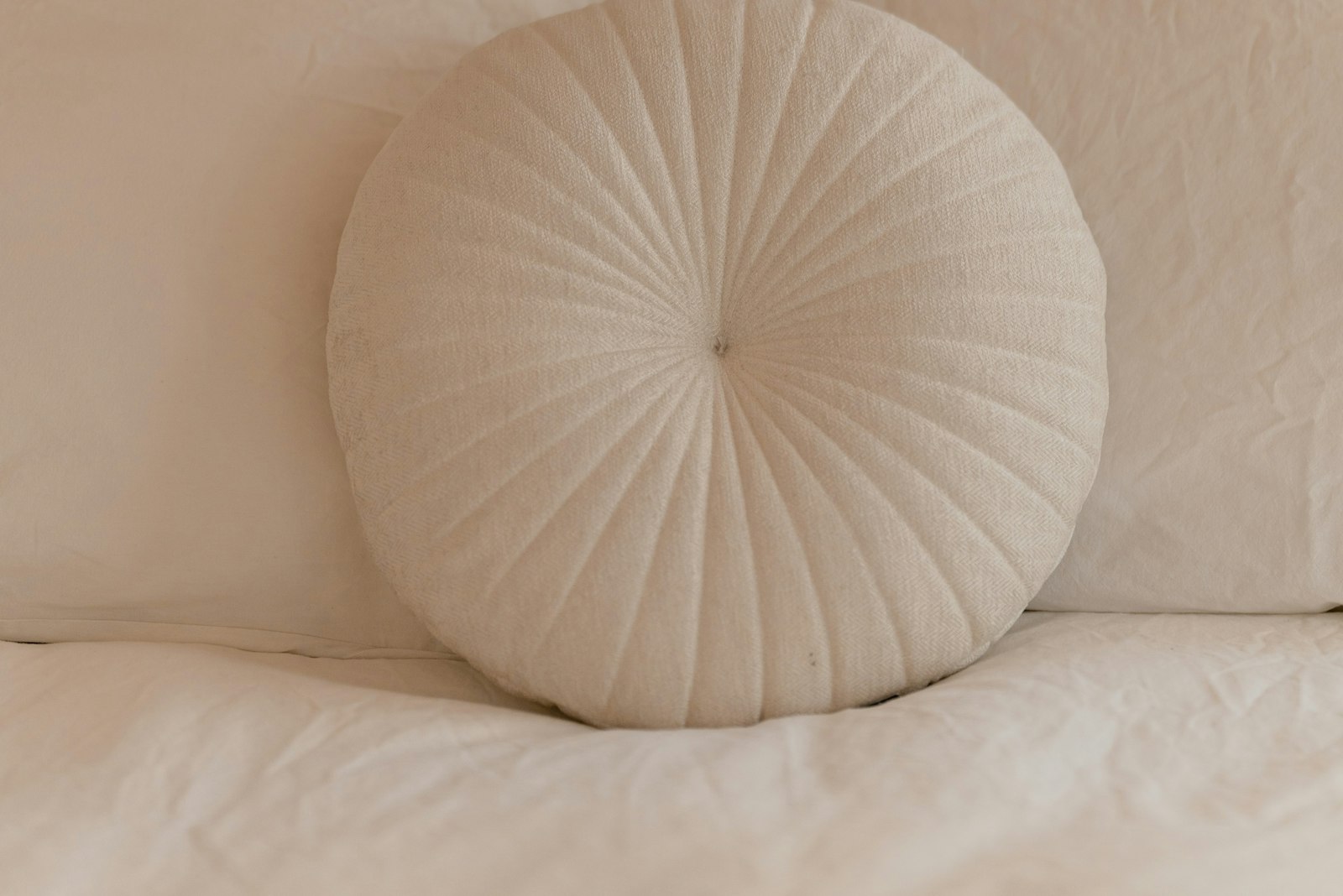
Sitting down can be one of the hardest parts of the first weeks after birth. Your perineum (the area between your vagina and anus) may be swollen or stitched, and hemorrhoids can make every chair, car seat and feeding session uncomfortable. That’s why so many people look for a hemorrhoid cushion or a donut pillow.
Here’s what sources say about these cushions, including the cautions around ring shapes, plus the steps that do more for hemorrhoids than any seat.
Why sitting hurts after birth
ACOG says you’ll likely have a few weeks of swelling and pain in your perineum after a vaginal birth, and that a tear or episiotomy can make the pain worse and healing slower.
Hemorrhoids are swollen veins in or around the anus. ACOG says hemorrhoids that developed in pregnancy may get worse after delivery, or appear for the first time because of straining during labor. A 2026 American Gastroenterological Association expert review says hemorrhoids occur in up to two-thirds of women during pregnancy. MedlinePlus lists anal ache or pain, especially while sitting, among the common symptoms, and notes that sitting for long periods, especially on the toilet, raises the risk.
The good news: MedlinePlus says hemorrhoids that develop after birth should slowly shrink, and some go away.
Types of cushions
| Type | What it is | What sources say |
|---|---|---|
| Plain pillow | Any soft pillow on the seat | ACOG suggests sitting on a pillow if sitting is uncomfortable |
| Ring or donut cushion | A ring, foam or inflatable, with a hole in the center | March of Dimes lists a donut-shaped cushion; an NHS hospital leaflet advises caution with rubber rings |
| Air-filled “valley” cushion | Inflatable cushion with a groove down the middle | The same leaflet gives the same caution |
| Cut-out or U-shaped cushion | Foam seat with an opening at the back | Not specifically addressed by the sources we checked |
ACOG also says special cushions may be helpful, without naming a type.
What the evidence says about donut cushions
There is very little research. We found no trials comparing cushion types for postpartum hemorrhoids or perineal pain, so any advice is based on clinical experience rather than evidence.
The cautions come from hospital guidance. Milton Keynes University Hospital’s perineal care leaflet says air-filled valley cushions or rubber rings should be used with caution, because sitting on them for long periods (over 30 minutes) can restrict your circulation, leading to swelling and longer-term discomfort.
The worry about ring cushions also has thin roots. A 1994 paper in the Journal of Advanced Nursing traced claims that ring cushions cause pressure sores and urinary tract infections and put postpartum mothers at risk of blood clots, and found that the evidence behind those claims was very slight, even though re-interpretation by successive authors had made it sound stronger.
A sensible middle ground from what sources say:
- Use a pillow or cushion if it makes sitting bearable.
- Keep each sitting session short (the leaflet’s caution starts at about 30 minutes).
- Change position often, and lie down when you can.
How to sit and rest more comfortably
- Lie on your side for feeds. ACOG suggests breastfeeding lying on your side because it doesn’t put pressure on your perineum. See our guide to side-lying breastfeeding for how to set it up safely.
- Rest lying down. Milton Keynes University Hospital suggests lying on your side while using cold packs, to reduce pressure on the area.
- Get moving. ACOG suggests taking short walks as soon as you can to help with constipation.
- Keep toilet visits short. The NHS says not to spend more time than you need on the toilet.
Prevent constipation and straining
This matters more than any cushion. ACOG says straining when you have a bowel movement can make hemorrhoids worse. Sources suggest:
- Fluids. MedlinePlus’s discharge advice after a vaginal birth suggests 8 cups (2 liters) of water a day.
- Fiber. Fruits, vegetables and whole grains (MedlinePlus, NHS).
- Stool softeners. ACOG suggests asking your ob-gyn about a stool softener. MedlinePlus advises a stool softener or bulk laxative, not enemas or stimulant laxatives.
- Don’t ignore the urge to go and don’t push too hard (NHS).
- Watch your pain medicine. The NHS says to avoid painkillers containing codeine, as they can cause constipation, and not to take ibuprofen if your piles are bleeding. ACOG says ibuprofen is usually the preferred first pain reliever while breastfeeding, so if you have bleeding hemorrhoids, ask your provider which to use. Our guide to ibuprofen and acetaminophen while breastfeeding explains the options.
Other relief for hemorrhoids and perineal pain
- Cold. The NHS suggests an ice pack wrapped in a towel. See our guide to padsicles and perineal cold packs.
- Warm soaks. ACOG and MedlinePlus suggest sitz baths; MedlinePlus says 10 to 15 minutes in warm water. Our sitz bath guide explains how.
- Witch hazel. ACOG mentions cold witch hazel compresses, and MedlinePlus suggests witch hazel on a cotton swab for itching. Our guide to witch hazel pads covers how to use them.
- Creams and sprays. ACOG lists medicated sprays or ointments. The AGA review says there is little data to support topical treatments and that topical steroids should not be used for more than 2 weeks at a time. Ask your provider before using suppositories, as MedlinePlus advises.
You’ll find more recovery guides in our nutrition and health hub.
What to look for in a cushion
We don’t rank brands. If you buy one, check:
- Shape: one that takes pressure off the sore spot, whether front (perineum) or back (anus).
- Adjustable firmness: an inflatable cushion lets you change how much air is in it.
- Support: firm enough that you don’t sink through it.
- A removable, washable cover, since MedlinePlus says bleeding after a vaginal birth can last up to 6 weeks.
- Size: fits the chair where you feed most often.
When to call your doctor or midwife
Contact your provider if you have (NHS, MedlinePlus, ACOG):
- Hemorrhoid symptoms that are getting worse, or no better after home treatment
- Bleeding from your bottom, so your provider can check for other causes
- Pus leaking from your piles, a high temperature, or feeling hot, cold or shivery and unwell
- A fever over 100.4°F (38°C)
- Pain from a tear or episiotomy that doesn’t go away or gets worse
- Vaginal bleeding that soaks through two pads an hour for more than an hour or two
Get emergency help if you are bleeding non-stop, pass a lot of blood or large clots, or are in severe pain (NHS), or if you are bleeding and feel dizzy, lightheaded or faint (MedlinePlus). The AGA review notes that a hemorrhoid with a blood clot (thrombosed) is often extremely painful and is best treated surgically with incision and drainage, so severe sudden pain is worth a same-day call. Call 911 for chest pain, trouble breathing, a seizure, severe pain in your lower belly, pain and swelling in a leg, or thoughts of harming yourself or your baby (ACOG).
Shop on Amazon
Shop what this guide covers
Paid links: as an Amazon Associate we earn from qualifying purchases, at no extra cost to you. Links never change what we recommend. Disclosure
Frequently asked questions
Will a donut cushion make hemorrhoids heal faster?
No source we found says so. A cushion may make sitting more comfortable, but hemorrhoid care rests on soft stools, not straining and short toilet visits. MedlinePlus says hemorrhoids that develop after birth should slowly decrease in size, and some may go away.
How long do postpartum hemorrhoids last?
It varies. The NHS says piles often get better on their own after a few days. See your provider if symptoms are getting worse or not improving with home treatment.
Can I use a cushion after a third- or fourth-degree tear?
Ask your doctor or midwife. They can tell you which positions and supports suit your repair and how long to avoid long periods of sitting.
Is a pillow just as good as a special cushion?
It may be. ACOG suggests sitting on a pillow and says special cushions may also help, and March of Dimes mentions a pillow or a donut-shaped cushion. There is no research showing one works better.
Sources
- ACOG: Postpartum Pain Managementhttps://www.acog.org/womens-health/faqs/postpartum-pain-management
- MedlinePlus: Hemorrhoidshttps://medlineplus.gov/ency/article/000292.htm
- MedlinePlus: Vaginal delivery - dischargehttps://medlineplus.gov/ency/patientinstructions/000628.htm
- NHS: Piles (haemorrhoids)https://www.nhs.uk/conditions/piles-haemorrhoids/
- Milton Keynes University Hospital (NHS): Care of Your Perineum After the Birth of Your Babyhttps://www.mkuh.nhs.uk/wp-content/uploads/2021/03/Care-of-your-perineum-after-the-birth-of-your-baby-PIL.pdf
- March of Dimes: Your body after baby: the first 6 weekshttps://www.marchofdimes.org/find-support/topics/postpartum/your-body-after-baby-first-6-weeks
- Church S, Lyne P. Research-based practice: some problems illustrated by the discussion of evidence concerning the use of a pressure-relieving device in nursing and midwifery. J Adv Nurs, 1994https://pubmed.ncbi.nlm.nih.gov/8014313/
- AGA Clinical Practice Update on Diagnosis and Treatment of Hemorrhoids: Expert Review (Clin Gastroenterol Hepatol, 2026)https://pubmed.ncbi.nlm.nih.gov/42067175/
This guide is general information, not medical advice. For your own situation, talk to your doctor, midwife, pharmacist or an IBCLC lactation consultant. Read our medical disclaimer and find breastfeeding support near you.
Related articles

Witch Hazel Pads After Birth: How to Use Them and What the Evidence Says
What witch hazel pads are, how to use them for perineal soreness and hemorrhoids after birth, what the evidence shows, and when to call your provider.
Sitz Bath After Birth: How to Use One for Perineal and Hemorrhoid Relief
What a sitz bath is, how to take one safely after birth (timing, water, cleaning), basin vs bathtub, what the evidence says, and signs of infection.

Padsicles and Perineal Cold Packs: How to Use Cold Safely After Birth
What padsicles are, what the research says about cold for perineal pain, how long to apply it, a simple home method, store-bought packs and warning signs.
Peri Bottle: How to Use One After Birth and When You Can Stop
What a peri bottle is, why hospitals hand them out after vaginal birth, how to use and clean one, when you can stop, and signs of infection.
Pregnancy Pillow Guide: Side Sleeping, Shapes and Using One After Birth
Why side sleeping matters later in pregnancy, which pregnancy pillow shapes help, and how to use one safely after birth without it near your baby's sleep.