Can You Get Pregnant While Breastfeeding? Fertility, Birth Control and Nursing While Pregnant
By Breastfeeding Mom Editorial TeamUpdated 5 min read
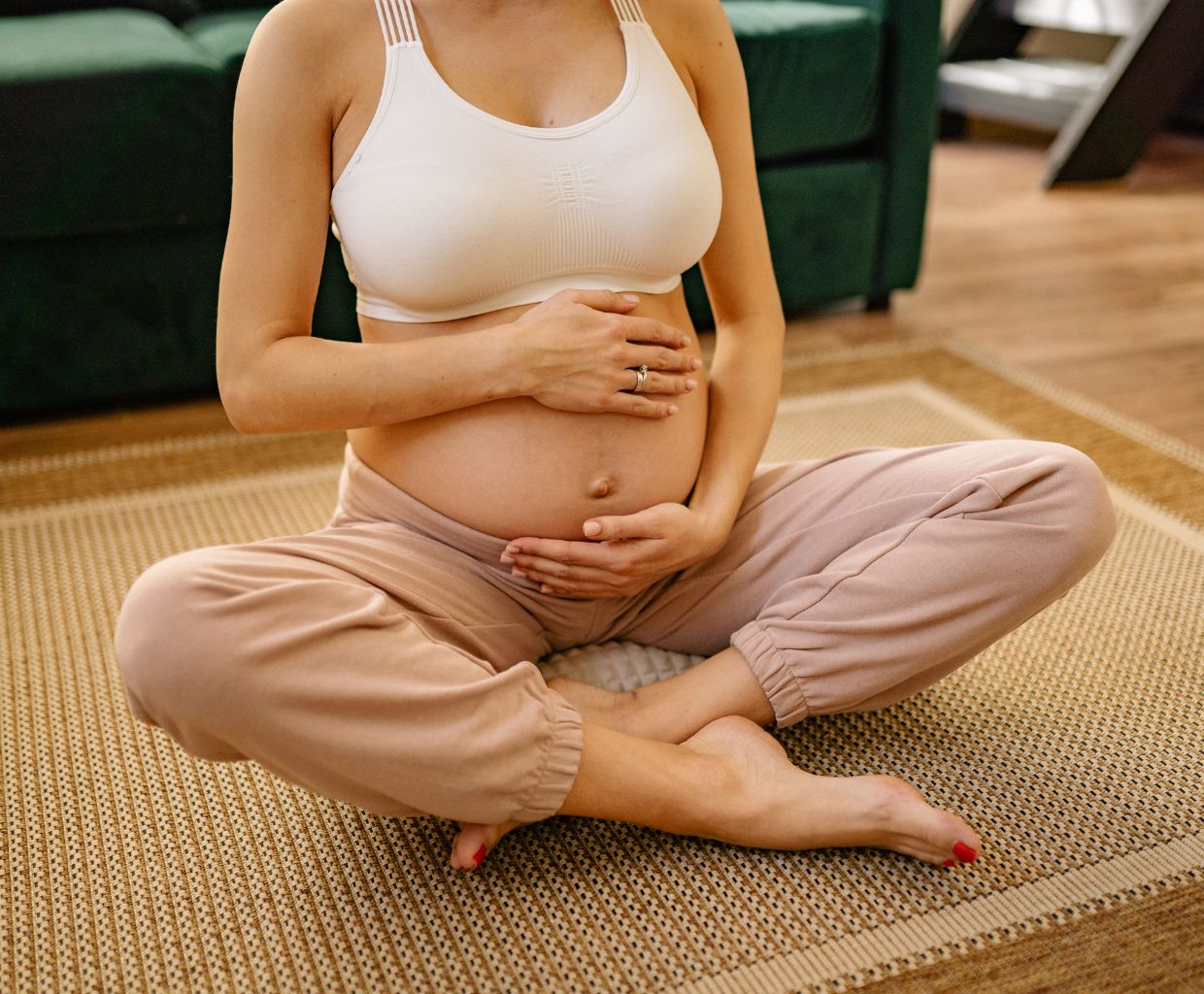
“You can’t get pregnant while you’re breastfeeding” is one of the most persistent myths in early parenthood. Breastfeeding can delay your fertility, sometimes for months, but it doesn’t switch it off reliably, and plenty of people find themselves pregnant again sooner than expected.
This guide explains how breastfeeding affects fertility, when it can work as birth control, which contraception is compatible with breastfeeding, and what to expect if you breastfeed through a new pregnancy. For more on caring for yourself while nursing, see our breastfeeding nutrition and health hub.
How breastfeeding affects your fertility
Frequent breastfeeding, especially at night, affects the hormones that trigger ovulation. That’s why many exclusively breastfeeding parents don’t have a period for months after birth.
But the timing is unpredictable, and there’s an important catch: you ovulate before your first period, not after it. So your first sign that fertility is back may be a positive pregnancy test.
Things that can bring fertility back sooner:
- longer gaps between feeds, especially a baby sleeping through the night,
- adding formula, other drinks or solid foods,
- possibly, pumping instead of some feeds at the breast, and
- your baby getting older.
For comparison, ACOG notes that people who are not breastfeeding can ovulate as early as 25 days after giving birth.
The lactational amenorrhea method (LAM)
Breastfeeding can be used as temporary birth control, called the lactational amenorrhea method. According to the CDC, all three of these must be true for it to protect you:
| LAM condition | What it means |
|---|---|
| 1. No periods | Your menstrual periods have not returned since the birth |
| 2. Fully or nearly fully breastfeeding | No more than 4 hours between feeds during the day or 6 hours at night |
| 3. Baby under 6 months | LAM stops working as birth control at 6 months |
As soon as any one of these changes, LAM no longer protects you, and you need another method. ACOG adds that LAM has no cost and no side effects, but it’s unclear whether pumping reduces its effectiveness. It also doesn’t protect against sexually transmitted infections.
LAM works well for some families, but many find it hard to keep to. A longer stretch of sleep, a bottle of pumped milk at daycare or a first taste of solid food can all mean the method no longer applies.
Birth control that’s compatible with breastfeeding
Plenty of options work well alongside breastfeeding. The CDC’s medical eligibility criteria guide which methods are suitable after birth:
| Method | Breastfeeding notes |
|---|---|
| Condoms and other barrier methods | No effect on milk; condoms can be used any time |
| Copper IUD | No hormones; doesn’t affect milk |
| Hormonal IUD | Progestin only; generally compatible |
| Implant | Progestin only; generally compatible |
| Progestin-only pill (“mini-pill”) | Generally compatible; take at the same time each day |
| Injection | Progestin only; generally compatible |
| Combined pill, patch or ring (estrogen) | Not used in the first weeks after birth; may lower supply for some |
Progestin-only methods have been studied in breastfeeding parents, and a review behind the CDC guidance did not find harm to breastfeeding or to babies’ growth and development. Methods containing estrogen can’t be used in the first 3 weeks after birth because of the higher risk of blood clots, ACOG says, and the CDC generally advises breastfeeding parents to wait longer. Some people also notice a dip in supply with estrogen.
The best time to talk about birth control is before you leave the hospital or at your postpartum visit. Bring up your breastfeeding plans so your provider can match the method to them. If your supply ever drops after starting a new method, our guide on how to increase milk supply can help while you talk to your provider.
Breastfeeding while pregnant
If you do get pregnant, you don’t automatically have to wean. La Leche League International says that in a normal pregnancy there’s no evidence that continuing to breastfeed takes nutrients the unborn baby needs. It cites research that found no difference in full-term birth rates or birth weight between mothers who breastfed during pregnancy and those who didn’t (high-risk pregnancies were not included).
What about contractions? Breastfeeding releases oxytocin, but LLLI explains that the uterus responds very little to oxytocin until close to labor, and there’s no reason to link breastfeeding in a normal pregnancy with miscarriage.
Talk to your provider first if
- you’re expecting twins or more,
- you’ve had a miscarriage or preterm birth before, or are at risk of early labor,
- you have bleeding or pain, or
- you’ve been told to avoid sex or nipple stimulation during this pregnancy.
What you may notice
- Sore nipples. Tenderness is common in pregnancy. Changing positions or keeping feeds shorter can help.
- Less milk. LLLI says supply often drops around the fourth or fifth month of pregnancy, sometimes earlier, because of pregnancy hormones. Extra feeding or pumping won’t bring it back up the way it would outside pregnancy.
- Changes in taste. Milk gradually changes toward colostrum later in pregnancy. Some toddlers nurse less or wean on their own.
- Your nursling’s needs. If your nursing child is under 1 year, LLLI advises keeping an eye on their weight gain, since breast milk may be a big part of their diet. Our breast milk intake calculator shows typical amounts by age.
Eat well and rest when you can: you’re nourishing a pregnancy and a nursing child. Our guide to how many calories breastfeeding burns explains energy needs while nursing; your prenatal provider can help you plan for both.
Tandem nursing after the birth
Some families continue through pregnancy and then breastfeed both children, called tandem nursing. LLLI notes that nursing during pregnancy doesn’t use up the colostrum your newborn needs, and many experts suggest letting the newborn feed first in the early days so they get plenty of colostrum.
Tandem nursing may also help with engorgement in the early days, and your supply adjusts to demand. Your older child may want to nurse more often at first; gentle limits, such as waiting until the baby has finished, often help.
If you’d rather stop, our guide on how to stop breastfeeding explains how to wean gently, during pregnancy or after.
When to talk to a doctor or lactation consultant
See your doctor or midwife if:
- you think you might be pregnant, or have spotting or pain,
- you’re breastfeeding and want to choose a birth control method,
- you have cramping, bleeding or contractions while nursing during pregnancy, or
- your nursing baby under 1 year isn’t gaining weight well.
A lactation consultant (IBCLC) can help with sore nipples, a drop in supply or planning for tandem nursing. Our breastfeeding support page explains where to find one.
Frequently asked questions
Does pumping count for the lactational amenorrhea method?
It's unclear. ACOG notes it isn't known whether pumping milk instead of feeding at the breast makes LAM less effective, so exclusive pumpers should use another method to be safe.
Will birth control affect my milk supply?
Progestin-only methods and the copper IUD are not expected to affect supply for most people. Methods containing estrogen are more likely to be linked with a lower supply, especially in the early weeks, so many providers suggest other options first.
Is breastfeeding while pregnant a risk for miscarriage?
In a healthy, low-risk pregnancy, La Leche League International says there is no reason to link breastfeeding with miscarriage. If you have a high-risk pregnancy, ask your provider.
Do I need to wean my older child before the new baby arrives?
No. Some families wean during pregnancy and others continue and tandem nurse after the birth. Both are reasonable choices.
Sources
- CDC: U.S. Medical Eligibility Criteria, Appendix G: Lactational Amenorrhea Methodhttps://www.cdc.gov/contraception/hcp/usmec/lactational-amenorrhea-method.html
- ACOG: Postpartum Birth Controlhttps://www.acog.org/womens-health/faqs/postpartum-birth-control
- CDC: U.S. Medical Eligibility Criteria for Contraceptive Use, 2024 (MMWR)https://www.cdc.gov/mmwr/volumes/73/rr/rr7304a1.htm
- La Leche League International: Breastfeeding During Pregnancy and Tandem Nursinghttps://llli.org/breastfeeding-info/breastfeeding-pregnancy-tandem-nursing/
This guide is general information, not medical advice. For your own situation, talk to your doctor, midwife, pharmacist or an IBCLC lactation consultant. Read our medical disclaimer and find breastfeeding support near you.
Related articles
How Many Calories Does Breastfeeding Burn?
Making milk uses about 500 calories a day, but official advice is to eat 330 to 400 extra. Here's why, and what it means for postpartum weight loss.

Foods to Avoid While Breastfeeding (and the Myths You Can Ignore)
The list of foods to avoid while breastfeeding is short: high-mercury fish, alcohol, too much caffeine and some herbs. Here's what matters and what's myth.