Can You Get a Tattoo While Breastfeeding? Risks, Timing and Laser Removal
By Breastfeeding Mom Editorial TeamUpdated 5 min read
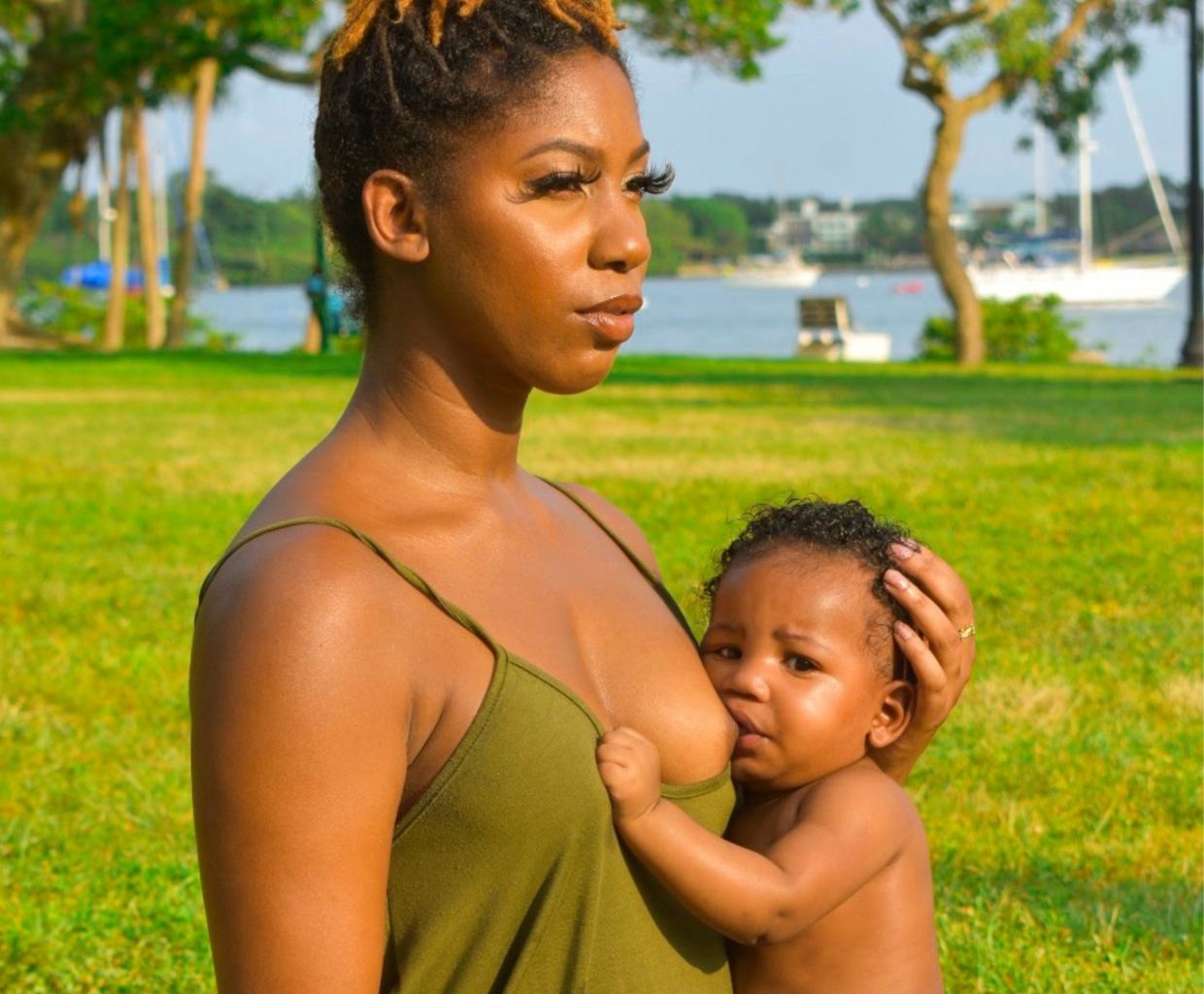
Maybe you’ve been planning a tattoo to mark your baby’s birth, or you finally have time to book the design you put off during pregnancy. If you’re breastfeeding, it’s natural to wonder whether ink, needles or healing could affect your baby or your milk.
The honest answer is that there’s very little research. Nothing shows that tattoo ink harms breastfed babies, but there are real risks for you, and a few unknowns. Here’s a balanced look so you can decide what feels right. For other everyday safety questions, see our guide to what’s safe while breastfeeding.
What we know (and don’t know)
No studies have looked directly at the safety of getting a tattoo while breastfeeding. What experts can say:
- Ink in milk is unlikely. Tattoo pigment is placed in the dermis, the layer under the surface of the skin. La Leche League International says the ink is assumed to be too large to pass into breast milk during tattooing.
- Long-term breakdown is uncertain. LLLI and La Leche League Canada note that some ink components may slowly move into the body over months or years. Whether any of this reaches milk, and whether it would matter, is unknown.
- Inks are not approved for injection. The FDA points out that no color additive is approved for injection into the skin, and some pigments are industrial-grade colors.
In other words, there is no evidence of harm from the ink itself, but there’s also no research proving it is risk-free.
The real risk: infection and reactions
The main concerns are the same for anyone getting a tattoo, but they weigh more when you’re caring for a baby and need to stay well.
- Skin infection. A new tattoo is an open wound for a while. Poor aftercare can lead to a local infection.
- Bloodborne infections. The FDA warns that unsterile equipment and needles can spread infections such as hepatitis and HIV, as well as staph skin infections. Contaminated ink can cause infections even when the artist’s hygiene is good.
- Allergic reactions. These are rare, but they can be hard to treat because the pigment is difficult to remove. LLLI notes red ink is the most common culprit.
If you did develop an infection, most antibiotics are compatible with breastfeeding, but treatment can mean extra appointments, discomfort and stress during an already demanding time.
Why many studios say no
Don’t be surprised if your artist asks you to wait. LLLI and La Leche League Canada both note that most tattoo artists won’t knowingly tattoo someone who is pregnant or breastfeeding, largely for liability reasons. Some studios have a firm policy; others decide case by case.
Be honest with your artist. Hiding that you’re breastfeeding doesn’t change the risks; it just means the person doing the work can’t plan around them.
When to get a tattoo after having a baby
Suggestions vary:
| Source | Suggested timing |
|---|---|
| La Leche League International | When your baby no longer relies on breast milk alone, around 9 to 12 months |
| La Leche League Canada | At least until your child is one year old; after weaning is the safest option |
Other practical reasons to wait a few months:
- Your body is still healing from birth, and sleep loss can slow recovery.
- You’ll have a lot of skin-to-skin contact and a baby who grabs, kicks and drools, which can irritate a fresh tattoo.
- Long sessions can be hard to schedule around frequent feeds.
If you decide to go ahead, choose a time when breastfeeding is well established and your baby is feeding on a predictable rhythm, often after the first few months.
If you decide to get tattooed
These steps help lower the risks, based on FDA and La Leche League advice:
- Choose a licensed, reputable studio. Check your state or local health department rules, and look for an artist who uses sterilized equipment and new, single-use needles, gloves and ink cups.
- Ask about the ink. The FDA suggests making sure inks have a brand name and the manufacturer’s location on the label.
- Pick the placement carefully. Avoid the breast area and anywhere your baby rests during feeds.
- Plan feeding around the session. Feed or pump right before you go, and bring milk or your baby (with a helper) for long sessions.
- Take pain relief you know is compatible. If you need it afterward, acetaminophen or ibuprofen are good choices; see our guide to ibuprofen and Tylenol while breastfeeding. Avoid numbing creams on large areas unless your pharmacist says they’re okay.
- Follow aftercare closely. Wash your hands before touching the tattoo, keep it clean, and keep your baby’s hands and mouth away from it while it heals.
- Skip the alcohol before and after. It doesn’t mix with healing or with infant care; see breastfeeding and alcohol.
Laser tattoo removal while breastfeeding
Removal is a different question. Lasers break the pigment into smaller fragments, which the immune system carries away and the liver clears. According to LLLI:
- removal usually takes 8 to 10 sessions spaced 4 to 8 weeks apart,
- it can be painful and may cause blistering or scarring, and
- no studies have measured how much extra ink is released, or whether the fragments are small enough to reach breast milk.
Because of these unknowns, both LLLI and La Leche League Canada suggest waiting until you’ve finished breastfeeding before starting laser removal. If you’re thinking about when that might be, our guide on how to stop breastfeeding covers gentle weaning.
When to call a doctor
See a doctor promptly if a new tattoo shows signs of infection:
- increasing redness, warmth or swelling,
- pus or a weeping wound,
- pain that gets worse instead of better, or
- fever, chills or feeling unwell.
The FDA notes that infected tattoos can occasionally lead to serious infection. Tell your doctor you’re breastfeeding so they can choose a compatible antibiotic; in most cases you can keep feeding. If you have questions about a medicine you’ve been prescribed, a pharmacist or IBCLC can help.
Frequently asked questions
Can I breastfeed if I already have tattoos?
Yes. Existing tattoos, including ones on the breast, are not a reason to avoid breastfeeding. The ink sits in the skin and is not expected to get into your milk.
Is henna safe while breastfeeding?
La Leche League Canada considers natural henna with no added chemicals safe for temporary designs. Avoid 'black henna', which often contains PPD and can cause severe allergic reactions.
Can I get a tattoo on my breast while breastfeeding?
It's best not to. A healing tattoo on or near the breast could be irritated by feeding, leaking milk, nursing pads and your baby's hands and mouth, which raises the chance of infection.
Can I get permanent makeup or microblading while breastfeeding?
Permanent makeup uses the same kind of pigments and needles as tattoos, so the same considerations apply: the main risks are infection and allergic reaction, and research on breastfeeding is lacking.
Sources
- La Leche League International: Tattoos and Breastfeedinghttps://llli.org/breastfeeding-info/tattoos-and-breastfeeding/
- La Leche League Canada: Tattoos, Henna and Breastfeedinghttps://www.lllc.ca/tattoos-henna-and-breastfeeding
- FDA: Tattoos & Permanent Makeup: Fact Sheethttps://www.fda.gov/cosmetics/cosmetic-products/tattoos-permanent-makeup-fact-sheet
This guide is general information, not medical advice. For your own situation, talk to your doctor, midwife, pharmacist or an IBCLC lactation consultant. Read our medical disclaimer and find breastfeeding support near you.
Related articles

Breastfeeding and Alcohol: How Long to Wait After a Drink
What the CDC says about breastfeeding and alcohol: how much is okay, how long to wait after a drink, and why pumping and dumping doesn't help.

Can You Take Ibuprofen While Breastfeeding? Ibuprofen, Tylenol and What to Avoid
Ibuprofen and acetaminophen (Tylenol) are the go-to pain relievers while breastfeeding. Here's why, plus what to know about aspirin and naproxen.

Cold Medicine While Breastfeeding: DayQuil, NyQuil, Mucinex and Decongestants
Which cold medicine ingredients are fine while breastfeeding, which can lower your milk supply, and how to read DayQuil, NyQuil and Mucinex labels.
Can You Take Benadryl While Breastfeeding?
An occasional dose of Benadryl is unlikely to harm your baby, but it can cause drowsiness and may affect supply. Here's when non-drowsy options are better.