Salicylic Acid While Breastfeeding: Is It Safe? A Guide to Skincare While Nursing
By Breastfeeding Mom Editorial TeamUpdated 5 min read
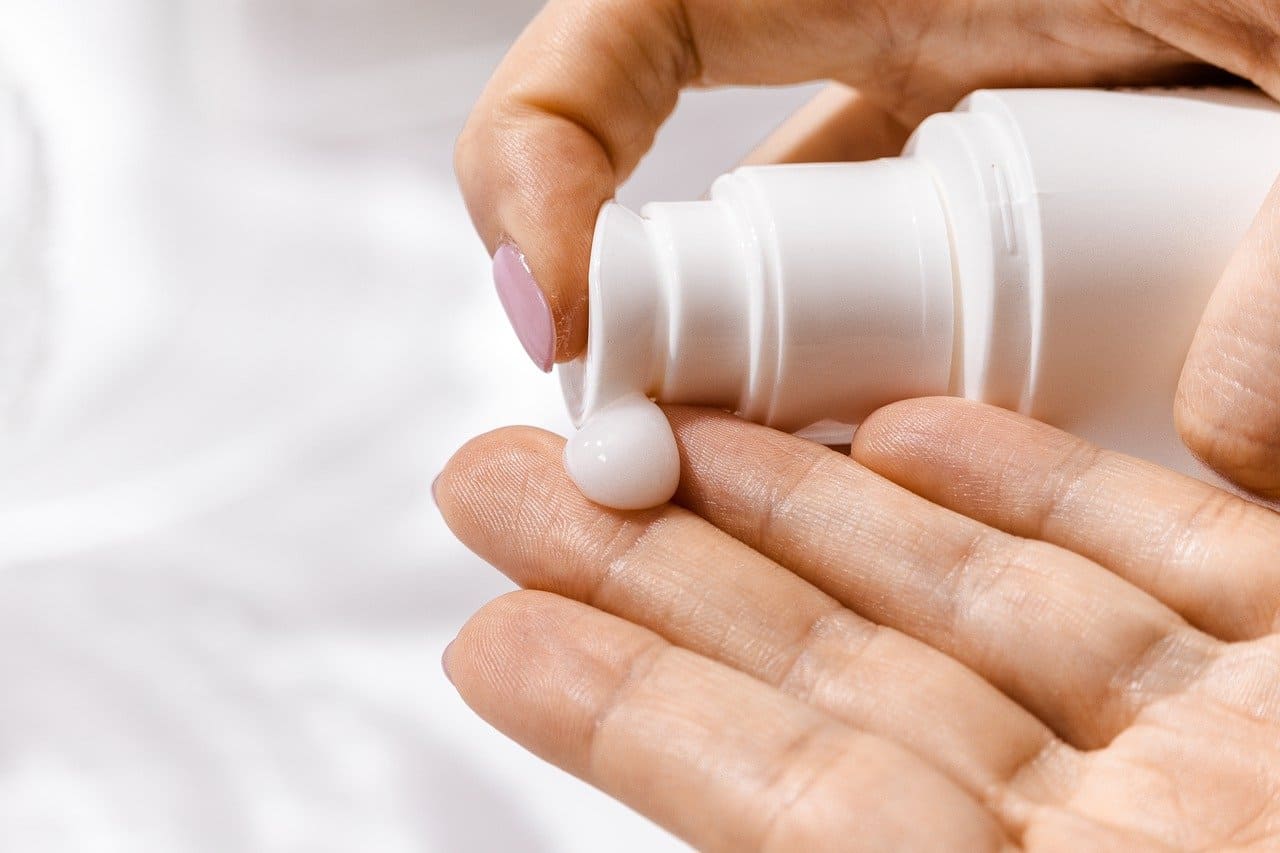
Postpartum breakouts are common, and salicylic acid is in a huge number of acne products: cleansers, toners, spot treatments, body washes and peels. If you’re nursing, it’s natural to check the label twice before you use one.
The reassuring news is that salicylic acid on the skin is considered safe during breastfeeding. Below you’ll find what the evidence says, how to use it sensibly, and how other popular skincare ingredients compare. For general rules on medicines and milk, see our hub on what’s safe while breastfeeding.
Is salicylic acid safe while breastfeeding?
Yes, for normal skin use. LactMed, the National Library of Medicine’s database on drugs and breastfeeding, says there’s no clinical information on salicylic acid used on the skin during breastfeeding. But because it is unlikely to be absorbed in any meaningful amount or to show up in breast milk, it is considered safe to use.
LactMed adds one practical rule: don’t apply it anywhere that comes into direct contact with your baby’s skin, or where your baby might swallow it by licking.
MotherToBaby says much the same about over-the-counter acne treatments in general. They haven’t been well studied in breastfeeding, but only a small amount is expected to pass through the skin, so the amount that reaches breast milk is likely to be low.
When to be more careful
The risk depends on how much gets through your skin. MotherToBaby says more may be absorbed when:
- the skin is broken or irritated,
- the product is used often, or
- it’s applied over a large area of the body.
That’s why a salicylic acid face wash or spot treatment is a very different exposure from a strong peel or a body lotion covering your back and chest. MotherToBaby’s skincare article lists high-dose salicylic acid among products to use with caution while pregnant and nursing. If you’re thinking about a professional peel, tell your dermatologist you’re breastfeeding.
How to use salicylic acid while nursing
- Keep it off your nipples, areola and breasts. That’s where your baby feeds and rests.
- Treat small areas. Face and spot use is the lowest-risk way to use it.
- Wash your hands after applying, as MotherToBaby advises, so you don’t transfer it to your baby.
- Keep your baby off treated skin. Hold your baby against clothing, not freshly treated skin on your chest, neck or shoulders.
- Skip it on broken, raw or irritated skin, where absorption is higher.
- Don’t stack strong exfoliants. Using several acid products at once increases irritation and the amount on your skin.
Other skincare ingredients compared
| Ingredient | Used for | What the evidence says |
|---|---|---|
| Salicylic acid | Acne, exfoliation | Considered safe on the skin; unlikely to be absorbed (LactMed) |
| Glycolic acid | Exfoliation, dullness | Considered safe on the skin; unlikely to be absorbed (LactMed) |
| Benzoyl peroxide | Acne | About 5% absorbed; low risk (LactMed) |
| Azelaic acid | Acne, rosacea | About 4% absorbed; low risk, and occurs naturally in breast milk (LactMed) |
| Hydroquinone | Age spots, sun spots | Not studied; not contraindicated, but some experts advise against long-term use (LactMed) |
| Vitamin C serums | Fine lines, antioxidant | Listed by MotherToBaby among products of less concern |
| Retinoids | Acne, aging | Topical use considered low risk with precautions; see our retinol guide |
Benzoyl peroxide
LactMed says topical benzoyl peroxide hasn’t been studied in breastfeeding, but because only about 5% is absorbed through the skin, it’s considered a low risk to the nursing baby. Make sure your baby’s skin doesn’t touch treated areas. If a product ever has to go on the breast, LactMed says to use only water-based creams or gels, not ointments, which could expose your baby to mineral paraffins through licking.
Azelaic acid
Azelaic acid is a topical treatment for acne and rosacea. LactMed says only about 4% is absorbed, and it’s a substance found naturally in food, the bloodstream and breast milk. It’s considered low risk and is not a reason to stop breastfeeding. Don’t apply it to the breast or nipple.
Glycolic acid
Glycolic acid, an alpha hydroxy acid, gets the same rating as salicylic acid. LactMed says it’s unlikely to be absorbed in any meaningful amount and is considered safe, with the same advice to keep it away from skin your baby touches or licks.
Hydroquinone
Hydroquinone is a skin-lightening ingredient that MotherToBaby describes as used for age spots and sun spots. LactMed says it hasn’t been studied in breastfeeding. It isn’t contraindicated, but some experts feel it shouldn’t be used long term by nursing mothers. MotherToBaby also lists it among products to use with caution. If dark patches are bothering you, ask a dermatologist about options that suit breastfeeding.
Vitamin C
MotherToBaby lists vitamin C products, used for fine lines and as an antioxidant, among the skin products with less concern during pregnancy and breastfeeding.
Retinol and other retinoids
Retinoids get their own guide. Our article on retinol while breastfeeding explains why topical tretinoin and adapalene are considered low risk, and why oral isotretinoin is a different story.
Sunscreen while breastfeeding
Daily sunscreen is a simple habit that fits any routine. The FDA recommends a broad-spectrum sunscreen with an SPF of at least 15, reapplied at least every two hours and more often if you’re sweating or swimming.
MotherToBaby’s skincare article lists chemical sunscreens among products to use with caution when pregnant and nursing. Some people choose sunscreens whose active ingredients are zinc oxide or titanium dioxide, which the FDA lists among common active ingredients; none of the sources here compares sunscreens for breastfeeding, so ask your provider if you’re unsure. Hats and shade are always an option.
For your baby, the FDA says sunscreen is not recommended for infants under 6 months. The best protection is keeping them out of the sun, and you should ask your baby’s doctor before using sunscreen on a baby that young. So think about where your baby’s cheek rests when you apply sunscreen to your own chest and arms.
Planning other treatments
If you’re also considering cosmetic injections, see our guide to Botox while breastfeeding. Most of these questions apply to pregnancy too, and the answers can differ, so if there’s a chance you’re pregnant again, read our guide to getting pregnant while breastfeeding and check with your provider.
When to call a doctor or dermatologist
Get medical advice if:
- your skin becomes very red, raw, blistered or painful after using a product,
- you have deep, painful or scarring acne that over-the-counter care isn’t helping,
- you notice a changing mole, a new dark patch or a rash you can’t explain, or
- your baby develops a rash or irritation on skin that touched treated areas.
When you ask about any medicine while breastfeeding, mention your skincare too. Your doctor, pharmacist or IBCLC can check the exact product, strength and how much skin you plan to treat.
Frequently asked questions
Can I use a salicylic acid face wash while breastfeeding?
Yes. A face wash is rinsed off and used on a small area, which keeps absorption very low. Wash your hands afterward, as MotherToBaby recommends for topical acne products.
Is salicylic acid the same as aspirin?
They're chemically related, but a pill you swallow is very different from a product on your skin. LactMed says salicylic acid on the skin is unlikely to be absorbed in any meaningful amount.
Can I get a chemical peel while breastfeeding?
There's no direct research on professional peels during breastfeeding. MotherToBaby lists high-dose salicylic acid as a product to use with caution while nursing, so tell your dermatologist or aesthetician you're breastfeeding and ask about milder options.
Is salicylic acid shampoo or body wash OK while nursing?
These products are rinsed off quickly. The main point is to keep them away from your breasts and nipples and to rinse well, since MotherToBaby notes that use over large areas or on broken skin can raise absorption.
Sources
- LactMed: Salicylic Acidhttps://www.ncbi.nlm.nih.gov/books/NBK500675/
- LactMed: Benzoyl Peroxidehttps://www.ncbi.nlm.nih.gov/books/NBK501421/
- LactMed: Azelaic Acidhttps://www.ncbi.nlm.nih.gov/books/NBK501422/
- LactMed: Hydroquinonehttps://www.ncbi.nlm.nih.gov/books/NBK500669/
- LactMed: Glycolic Acidhttps://www.ncbi.nlm.nih.gov/books/NBK500912/
- MotherToBaby: Topical Acne Treatments fact sheethttps://mothertobaby.org/fact-sheets/topical-acne-treatments-pregnancy/
- MotherToBaby: What's the Skinny on Skin Care?https://mothertobaby.org/baby-blog/whats-the-skinny-on-skin-care/
- FDA: Sunscreen: How to Help Protect Your Skin from the Sunhttps://www.fda.gov/drugs/understanding-over-counter-medicines/sunscreen-how-help-protect-your-skin-sun
This guide is general information, not medical advice. For your own situation, talk to your doctor, midwife, pharmacist or an IBCLC lactation consultant. Read our medical disclaimer and find breastfeeding support near you.
Related articles
Can You Use Retinol While Breastfeeding? Retinoids, Tretinoin and Safer Swaps
Topical retinoids are poorly absorbed and considered low risk while nursing, but oral isotretinoin is different. Here's how to use them and what to swap in.
Can You Get Botox While Breastfeeding? What the Research Shows
Small studies find little or no Botox in breast milk after facial injections. Here's what LactMed, MotherToBaby and InfantRisk say, and what to ask first.

Cold Medicine While Breastfeeding: DayQuil, NyQuil, Mucinex and Decongestants
Which cold medicine ingredients are fine while breastfeeding, which can lower your milk supply, and how to read DayQuil, NyQuil and Mucinex labels.
Sudafed While Breastfeeding: Does Pseudoephedrine Lower Your Milk Supply?
Pseudoephedrine isn't expected to harm your baby, but a small study found one dose cut milk volume by about a quarter. Here is what that means.