Twin Nursing Pillow: How to Choose One and Use It Safely
By Breastfeeding Mom Editorial TeamUpdated 6 min read
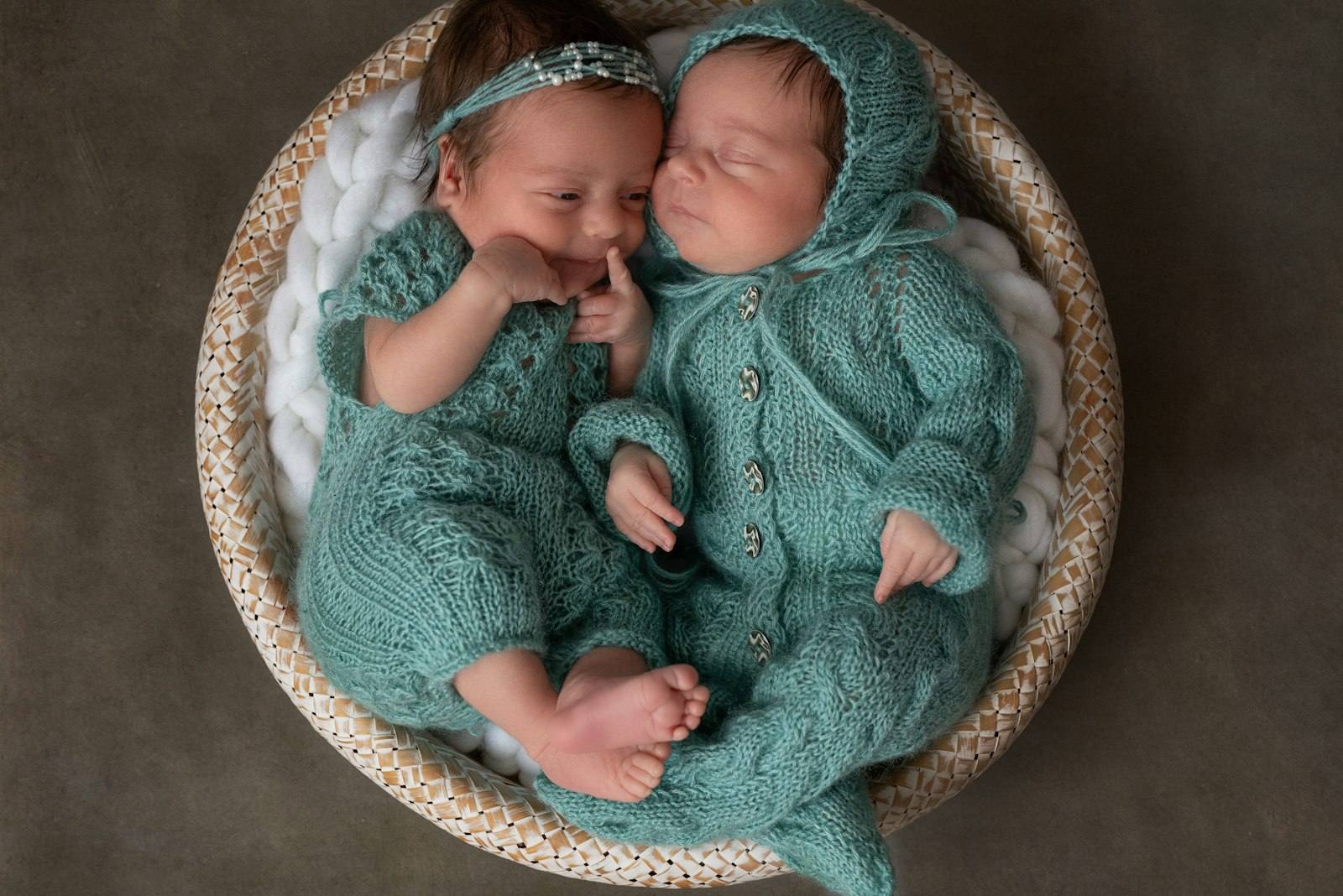
Feeding two babies one after the other can fill most of the day and night. Feeding them together saves time, but it takes some setup, and that’s where a twin nursing pillow comes in. HealthyChildren.org, the AAP’s parent site, calls a large twin-feeding pillow the best way to feed both twins at the same time.
This guide covers what a twin pillow does, what to look for, how to set up the double football hold, and the federal safety rule every nursing pillow must meet. We don’t rank brands; we explain the criteria. For building milk supply for two and feeding premature twins, see our main guide to breastfeeding twins.
What a twin nursing pillow does
HealthyChildren.org describes it as a large U-shaped pillow with a firm foam core that fits around your waist, with the opening at the back. Most have a belt that latches so the pillow stays snug against your body. Each twin gets their own side and feeds in the football hold.
The point is support. Holding two babies at breast height with your arms alone is tiring, and HealthyChildren.org warns that hunching over for 20 minutes at a time, 8 to 12 times a day, can really take its toll on your body. A firm, wide platform holds the babies’ weight so your arms can guide the latch.
A single nursing pillow is narrower and is built for one baby. Our breastfeeding pillow guide compares the general shapes; this guide is about the extra-wide twin type.
What to look for
| Feature | What to check | Why it matters |
|---|---|---|
| Firmness | Holds its shape when you press it; doesn’t sag under two babies | The CPSC rule sets a firmness test because soft pillows can conform to a baby’s face |
| Width | Room for a baby on each side without them sliding into your lap | Each twin needs their own space for the football hold |
| Height | Lifts both babies’ heads level with your breasts | HealthyChildren.org says to keep the baby’s head level with your breast |
| Fit around you | Sits snugly against your torso; a caregiver belt or buckle helps | HealthyChildren.org notes the belt keeps the pillow snug to your body |
| No baby straps | No harness or strap meant to hold a baby in place | The CPSC rule bans infant restraints on nursing pillows |
| Cover | Removable and washable | With two babies, you’ll wash it often |
| Labels | Warnings not to use the pillow for sleep or in cribs, bassinets or play yards | The federal standard requires them on the package |
The 2024 CPSC rule in plain terms
The CPSC says it knows of 154 infant deaths and 64 injuries from 2010 to 2022 linked to nursing pillows, mostly in babies under 3 months. Most deaths happened when the pillow was used in or on a sleep product, such as an adult bed, crib, playpen or couch.
The federal standard, 16 CFR part 1242, applies to nursing pillows manufactured after April 23, 2025. It defines a nursing pillow as any product meant to position and support an infant close to a caregiver while breast- or bottle-feeding, so twin pillows are covered. Among other things, it requires:
- Firmness, tested with a probe, so the surface doesn’t conform to a baby’s face.
- An opening that can’t hold a baby’s head. The space that fits against your body must not trap a baby’s head and restrict their movement.
- No infant restraints. The CPSC says straps can suggest a baby can safely be left unattended on the pillow. Straps or buckles that attach the pillow to you are allowed and must pass strength tests.
- Warning labels, including “Do not use for sleep.”
Pregnancy pillows are exempt, because they are designed for adults, so don’t use one in place of a nursing pillow.
Setting up the double football hold
HealthyChildren.org’s positioning guide notes that the clutch or football hold may be useful for twins, since one baby can nurse on each side. It also keeps the babies’ weight off a C-section incision.
- Sit well supported. HealthyChildren.org suggests a chair with sturdy back and arm support that isn’t too low or too high, and a low footstool for your legs.
- Fasten the pillow around your waist so it sits snugly.
- Place each baby on their side of the pillow, facing you, with their head near your breast and their body tucked under your arm, legs pointing toward your back.
- Support each baby’s neck and shoulders with your hand, and bring their head level with your breast. A pillow under each elbow can help.
- Alternate sides. HealthyChildren.org suggests switching which twin gets which side at each feed.
In the early days you’ll likely need someone to help position the babies. With practice you’ll learn to do it yourself. If the double football hold doesn’t suit you, HealthyChildren.org mentions one baby in the cradle hold and one in the football hold, and La Leche League GB notes that laid-back positions can leave your hands free. Our guide to breastfeeding positions explains each hold step by step.
La Leche League GB adds that once breastfeeding is established, you may find feeding two at once easiest, and that it may help if one baby nurses less efficiently, because let-down happens more easily.
After a C-section
HealthyChildren.org says you may need to wait a week or so before using a twin pillow after a cesarean, because the pillow’s front edge crosses your healing abdomen. Until then, prop bed pillows on both sides for the double football hold. Our guide to breastfeeding after a C-section covers more comfortable positions.
Safety: feeding only, never sleep
The CPSC’s advice for every nursing pillow applies to twin pillows too:
- Only use it for feeding.
- Never use it for sleep or lounging.
- Don’t put it in a crib, bassinet or anywhere a baby sleeps.
- Don’t leave babies unattended on it on a bed, sofa or other raised surface.
- If a baby falls asleep while feeding, or you feel yourself getting sleepy, move them to a safe sleep space: a flat, bare crib, bassinet or play yard.
With two babies and very little sleep, dozing off is a real risk. HealthyChildren.org suggests changing your setup if there’s any chance you might fall asleep, such as having a snack and water and setting an alarm to go off every few minutes. If you do fall asleep while feeding, place your babies on their backs in their own crib or bassinet as soon as you wake. Our guide on what to do when your baby falls asleep while breastfeeding explains how to move a sleepy baby.
When to call your pediatrician or IBCLC
Call 911 if a baby is not breathing, turns blue, or is limp or unresponsive.
See a lactation consultant (IBCLC) if latching both babies hurts, if one twin feeds much less well than the other, or if you can’t find a position that works even with a pillow. Call your pediatrician if either baby seems hungry after most feeds, has fewer wet or dirty diapers than expected, or isn’t gaining weight. Track each twin separately so you notice if one falls behind. You’ll find more help for common feeding challenges in our breastfeeding problems hub.
Shop on Amazon
Shop what this guide covers
Paid links: as an Amazon Associate we earn from qualifying purchases, at no extra cost to you. Links never change what we recommend. Disclosure
Frequently asked questions
Can I use a twin nursing pillow for bottle-feeding?
Yes. HealthyChildren.org describes the twin-feeding pillow as working for both nursing and bottle-feeding, so it can help when you feed both babies expressed milk or formula at once. The same safety rules apply.
Do I need a twin pillow, or will regular pillows work?
Regular bed pillows can work. HealthyChildren.org suggests bed pillows propped on both sides for the double football hold while a C-section heals, and La Leche League GB notes that laid-back positions can leave your hands free. A twin pillow is a convenience, not a requirement.
Is a secondhand twin nursing pillow OK?
Check it carefully. It should still be firm, with an intact cover and seams, and no straps for the babies. The federal standard applies to nursing pillows made after April 23, 2025, so an older pillow may not meet it. Search the CPSC recall site before using one.
Sources
- HealthyChildren.org (AAP): Feeding Twins on a Schedule: Tips for New Parentshttps://www.healthychildren.org/English/ages-stages/baby/feeding-nutrition/Pages/Feeding-Twins-on-a-Schedule.aspx
- HealthyChildren.org (AAP): Positions for Breastfeedinghttps://www.healthychildren.org/English/ages-stages/baby/breastfeeding/Pages/Positioning-Your-Baby-for-Breastfeeding.aspx
- La Leche League GB: Twins and Morehttps://www.laleche.org.uk/twins/
- CPSC: CPSC Approves New Federal Safety Standard for Nursing Pillows (2024)https://www.cpsc.gov/Newsroom/News-Releases/2024/CPSC-Approves-New-Federal-Safety-Standard-for-Nursing-Pillows-to-Prevent-Infant-Deaths-and-Serious-Injuries
- eCFR: 16 CFR Part 1242, Safety Standard for Nursing Pillowshttps://www.ecfr.gov/current/title-16/chapter-II/subchapter-B/part-1242
- HealthyChildren.org (AAP): Safe Sleep Tips for Sleep-Deprived New Parentshttps://www.healthychildren.org/English/ages-stages/baby/sleep/Pages/safe-sleep-tips-for-sleep-deprived-parents.aspx
This guide is general information, not medical advice. For your own situation, talk to your doctor, midwife, pharmacist or an IBCLC lactation consultant. Read our medical disclaimer and find breastfeeding support near you.
Related articles
Breastfeeding Pillow Guide: How to Choose and Use One Safely
How to choose a breastfeeding pillow, the main shapes and features, how to use one for a good latch, and the CPSC and AAP rules for safe use.

Breastfeeding Twins: Positions, Milk Supply and a Plan That Works
How to breastfeed twins: building enough milk, feeding together or one at a time, the best tandem positions, pumping for preterm twins and getting help.

Sore Nipples While Breastfeeding: Causes and Relief
Why breastfeeding can make your nipples sore or cracked, what helps them heal, what the evidence says about lanolin, and when to get help.

Overactive Letdown: Signs, Causes and What Helps
What overactive or forceful letdown is, what ultrasound research found about milk flow, how it links to oversupply and which fixes have evidence.