Nursing Necklace: Does It Help a Distracted Baby, and Is It Safe?
By Breastfeeding Mom Editorial TeamUpdated 6 min read
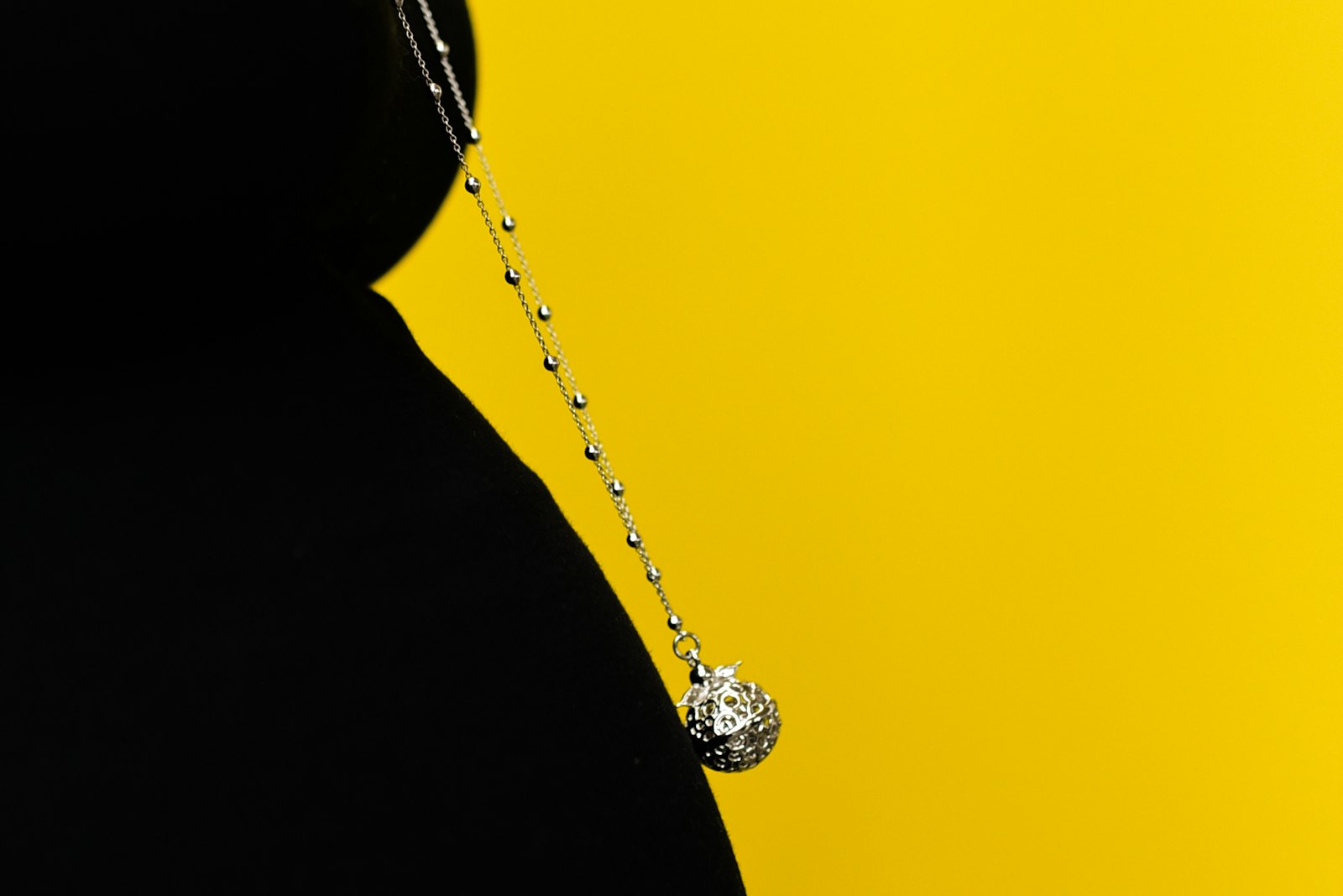
Somewhere in the second half of the first year, many babies who used to feed with total focus start popping on and off the breast to look at the dog, the TV or a sibling. A nursing necklace is a chunky necklace that you wear during feeds, so your baby has something close to look at or hold while they nurse.
It’s a simple idea, but it sits right next to a real safety warning about teething jewelry. This guide explains what the FDA said, why a nursing necklace stays on you, what else helps a distracted baby, and what to check if you decide to use one. We don’t rank brands or test products.
Why babies get distracted at the breast
La Leche League Canada says many parents find that somewhere between six and twelve months, a previously focused baby becomes a wiggler who can’t nurse if someone else is in the room or the TV is on. It explains that getting distracted is a sign that your baby’s brain is developing: at this stage babies want to look and see in order to learn. It also notes that babies this age are more efficient at the breast and can get the milk they need in a shorter feed, so quick “drive-by” feeds are common.
Distraction can also lead to biting. La Leche League International lists distraction as one of the reasons a baby may bite during a feed. Our guide to baby biting while breastfeeding covers how to spot a bite coming and what to do.
Does a nursing necklace work?
There are no studies on nursing necklaces. The idea is that holding or looking at something keeps busy hands and eyes near you, so your baby stays latched a little longer. Some parents find it helps, others find their baby ignores it. La Leche League Canada mentions that a familiar toy or blanket that is part of the nursing routine helps some babies settle, which is a similar idea without anything around your neck.
Treat a nursing necklace as optional, and judge it by whether it makes feeds calmer for you.
The FDA warning on teething jewelry
In a safety communication issued December 20, 2018, the FDA warned that necklaces, bracelets and other jewelry marketed for relieving teething pain should not be used with infants. It said such use could lead to strangulation, choking, serious injuries or death, and that the safety and effectiveness of teething jewelry had not been established.
Three points from that warning matter for nursing necklaces:
- The FDA defined teething jewelry as jewelry worn by either an adult or a child, often marketed for an infant’s teething pain. Beads may be amber, wood, marble or silicone. So if your baby chews a necklace you wear, the same choking and strangulation risks the FDA described can apply.
- Choking can happen if jewelry breaks and small beads, or the whole piece, enter a child’s throat or airway. The FDA received a report of a 7-month-old who choked on beads from a wooden teething bracelet while under parental supervision.
- Strangulation can happen if a necklace wraps too tightly around a child’s neck or catches on something like a crib. The FDA received a report of an 18-month-old who was strangled to death by an amber teething necklace during a nap.
The FDA also listed injury to the mouth and infection as risks. Its consumer update on teething repeats that it has received reports of death and serious injuries from teething jewelry, and the AAP’s teething page says teething necklaces made of amber, wood, marble or silicone pose serious risks for choking and strangulation.
How to use a nursing necklace safely
The FDA did not evaluate nursing necklaces, but if you decide to use one, these rules are based on the risks it described:
- Only you wear it. Never put it on your baby, even for a moment or a photo.
- Wear it only during feeds you’re awake for. Take it off before night feeds where you might doze, and before you lie down. The AAP advises putting your baby back in their own sleep space before you go to sleep.
- It is for looking and holding, not chewing. If your baby mouths or bites it, take it away and offer something made for teething. The FDA and AAP suggest rubbing the gums with a clean finger or a firm rubber teething ring that isn’t frozen or liquid-filled.
- Never leave it with your baby, in the crib, car seat, stroller or diaper bag within reach.
- Check it before every use for cracks, loose beads, frayed cord or a weak clasp, and throw it away if anything is damaged.
- Store it out of reach of babies and toddlers when you take it off.
What to check before you buy
- Bead size and number. Fewer, larger pieces are easier to check than many small beads. Beads should be firmly fixed on the cord.
- Cord strength. A thick cord that doesn’t fray. If each bead is knotted in place, a single break is less likely to release every bead.
- Length. Long enough to rest on your chest, not so long that it dangles into your baby’s face or can loop around a small arm or neck.
- Clasp. Some necklaces use a breakaway clasp that releases when pulled. That may reduce the chance of the cord tightening around your own neck, but it also means the necklace can come loose in your baby’s hand, so you still need to watch closely. No safety standard or study we could find shows that any clasp type makes a nursing necklace safe for babies.
- Materials. Smooth, wipeable surfaces with no paint or coatings that could chip.
- Marketing. Skip anything sold as a teething necklace or as relieving teething pain. The FDA says the safety and effectiveness of teething jewelry have not been established.
Other ways to help a distracted baby
La Leche League Canada’s suggestions include:
- Feed in a quiet or darkened room, with the TV off and your phone put away, especially around naps, bedtime and waking times
- Feed before you go out, and bring solid food as a snack if your baby already eats solids
- Try nursing in a sling or soft carrier if older children are around
- Keep nursing at night, when there are fewer distractions
Changing to a different hold can also help; see our breastfeeding positions guide. If a distracted phase turns into a sudden refusal to feed, our guide to nursing strikes explains causes and next steps. More guides for everyday feeding are in our breastfeeding basics hub.
When to call a doctor or lactation consultant
- Call 911 if your baby is choking and can’t breathe, cough or cry, or if anything is wrapped around their neck and they are not breathing normally.
- Call your pediatrician if your baby may have swallowed a bead or piece of jewelry, or has a mouth injury from one.
- Talk to a lactation consultant (IBCLC) if your baby is refusing to feed, biting often, or not gaining weight, or if distracted feeding leaves you worried about your supply.
- Report problems with teething jewelry to the FDA’s MedWatch program, as the FDA asks.
Shop on Amazon
Shop what this guide covers
Paid links: as an Amazon Associate we earn from qualifying purchases, at no extra cost to you. Links never change what we recommend. Disclosure
Frequently asked questions
Is a nursing necklace the same as a teething necklace?
Not in intent, but the FDA's warning covers teething jewelry worn by either an adult or a child. If your baby chews on your necklace, it is being used like teething jewelry. Offer a firm rubber teething ring instead and keep the necklace for looking and touching.
At what age do babies get distracted while nursing?
La Leche League Canada says many parents notice it somewhere between six and twelve months, when babies make big developmental leaps and want to look around. It describes this as a normal stage.
Can my baby wear the nursing necklace?
No. The FDA says necklaces and bracelets marketed for teething should not be used with infants because they can lead to strangulation, choking, serious injury or death. It said it received a report of a child who was strangled to death by an amber teething necklace during a nap.
Should I take the necklace off before I fall asleep with my baby nearby?
Yes. Take it off for night feeds where you might doze, and before you lie down. The AAP recommends returning your baby to their own sleep space before you go to sleep.
Sources
- FDA Safety Communication (December 20, 2018): FDA Warns Against Use of Teething Necklaces, Bracelets, and Other Jewelry (FDA archive)https://wayback.archive-it.org/7993/20201222112610/https://www.fda.gov/medical-devices/safety-communications/fda-warns-against-use-teething-necklaces-bracelets-and-other-jewelry-marketed-relieving-teething
- FDA: Safely Soothing Teething Pain in Infants and Childrenhttps://www.fda.gov/consumers/consumer-updates/safely-soothing-teething-pain-infants-and-children
- HealthyChildren.org (AAP): Teething Painhttps://www.healthychildren.org/English/ages-stages/baby/teething-tooth-care/Pages/Teething-Pain.aspx
- La Leche League Canada: Breastfeeding the Distracted Baby (6-12 months)https://www.lllc.ca/breastfeeding-distracted-baby
- La Leche League International: Bitinghttps://llli.org/breastfeeding-info/biting/
- HealthyChildren.org (AAP): How to Keep Your Sleeping Baby Safehttps://www.healthychildren.org/English/ages-stages/baby/sleep/Pages/A-Parents-Guide-to-Safe-Sleep.aspx
This guide is general information, not medical advice. For your own situation, talk to your doctor, midwife, pharmacist or an IBCLC lactation consultant. Read our medical disclaimer and find breastfeeding support near you.
Related articles

Push Present Ideas: Thoughtful Gifts for a Breastfeeding Mom
What a push present is, plus practical gift ideas for a new, breastfeeding mom: comfort, rest, real help, nursing-friendly clothes and keepsakes.
Pacifiers for Breastfed Babies: When to Start and What to Look For
When a breastfed baby can start a pacifier, what the AAP says about pacifiers and SIDS, what the nipple confusion evidence shows, and how to choose a safe one.

Side-Lying Breastfeeding: How to Do It Safely
How to breastfeed lying on your side, step by step, who it helps most, how to switch sides, and what the AAP says about feeding in bed and safe sleep.

How Often to Breastfeed a Newborn (and How That Changes by Age)
Most newborns breastfeed 8 to 12 times a day. Here's what's normal by age, plus cluster feeding, growth spurts and when to wake a sleepy baby.