Foods to Increase Milk Supply: What the Evidence Really Says
By Breastfeeding Mom Editorial TeamUpdated 5 min read
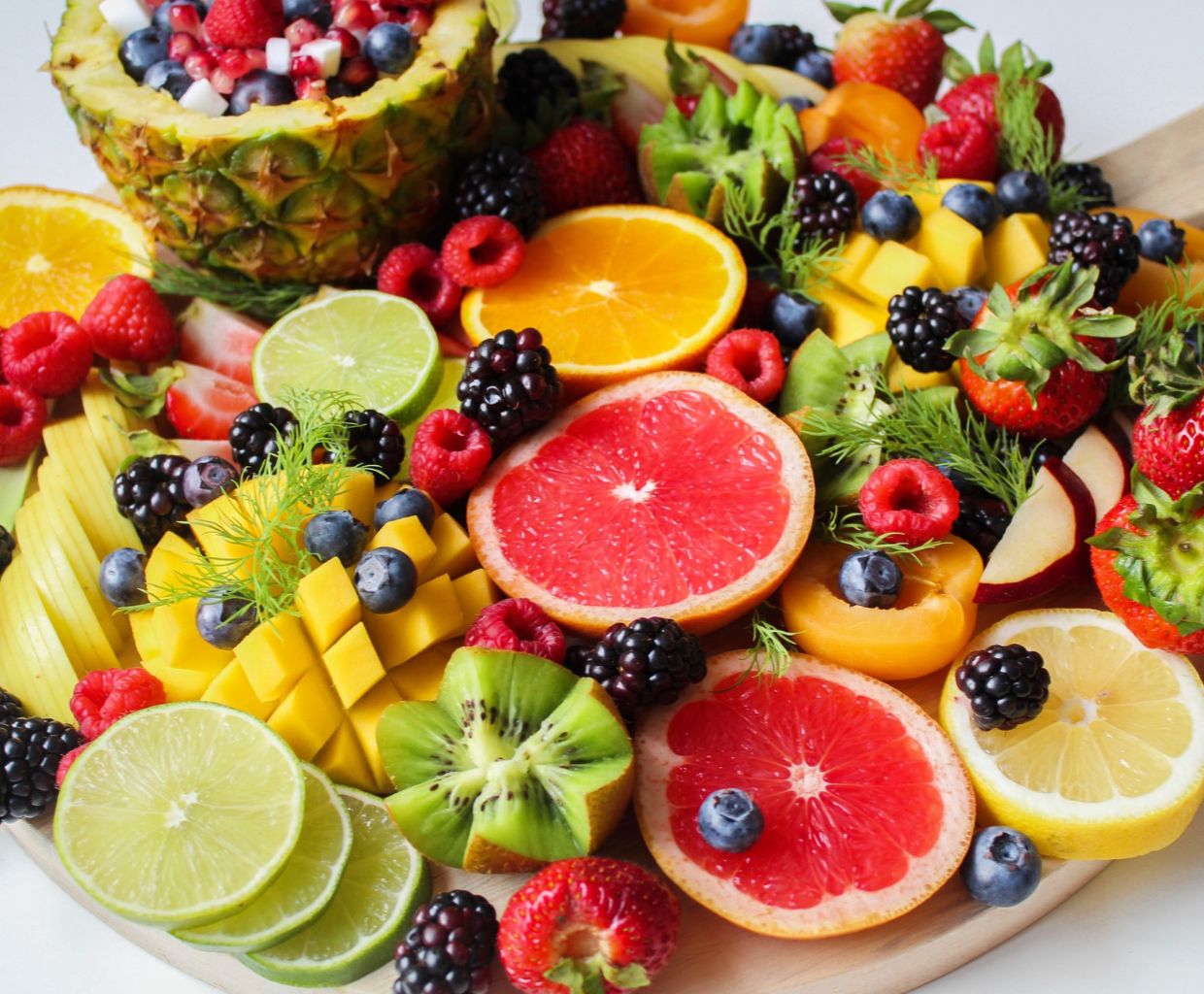
Search for foods to increase milk supply and you’ll find long lists of “superfoods”: oatmeal, flaxseed, fennel, garlic, almonds, dark leafy greens. It’s an appealing idea, because food feels safe and easy. But the honest truth is that no food has been proven to increase breast milk supply.
That doesn’t mean food doesn’t matter. Eating enough, eating a good variety and drinking to thirst keep you well and give you the energy that breastfeeding takes. This guide sorts the popular claims from the evidence, then covers what actually builds supply.
The short answer: no food is proven
Galactagogues are foods, herbs or medicines believed to increase milk supply. The Academy of Breastfeeding Medicine (ABM) reviewed the evidence in its 2018 protocol and concluded that it cannot recommend any specific galactagogue, including foods and herbs. Studies are small, inconsistent and often poorly designed.
The CDC’s guidance on diet while breastfeeding doesn’t recommend any specific food for supply either. Instead, it encourages a healthy, varied diet and notes that most breastfeeding women don’t need to avoid specific foods.
Popular “milk-boosting” foods and what the evidence says
| Food | Why people use it | What the evidence says |
|---|---|---|
| Oats and oatmeal | Traditional remedy; filling and comforting | No good studies show oats increase supply. A nutritious breakfast, though |
| Brewer’s yeast | Found in many lactation cookies and drinks | LactMed says no scientifically valid human studies show any effect on milk supply |
| Flaxseed | Fiber and plant omega-3 fats | No evidence it increases supply |
| Fenugreek | The most famous lactation herb | Mixed results in small studies; side effects include diarrhea and a maple-syrup body odor |
| Fennel | Common in lactation teas | A couple of small studies, not enough to recommend it |
| Garlic, almonds, leafy greens, papaya | Traditional or online lists | No good evidence for supply; all fine as part of a healthy diet |
| Beer and barley drinks | Old folk remedy | Alcohol may reduce milk production, according to the ABM |
The best test so far is a 2023 randomized controlled trial in the American Journal of Clinical Nutrition. Researchers gave breastfeeding women lactation cookies containing oats, brewer’s yeast, flaxseed and fenugreek, or similar cookies without those ingredients, every day for a month. Milk production rose by about the same amount in both groups, so the “lactation” ingredients made no measurable difference. We go through that study on our lactation cookies page, and our guide to lactation supplements covers the herbs in more detail.
Why people feel these foods work
If foods don’t increase supply, why do so many parents swear by them? There are a few likely reasons:
- More milk removal at the same time. People often start eating “lactation foods” when they also begin feeding or pumping more, which is what actually raises supply.
- Supply changes naturally. Milk production often increases on its own as your baby grows, or after a growth spurt and a day of cluster feeding.
- Eating enough again. If you’ve been skipping meals, regular, filling food may help you feel better and more able to keep up with feeds.
- Placebo and confidence. Feeling that you’re doing something can reduce stress, and stress affects letdown.
What to eat while breastfeeding
You don’t need a special diet to breastfeed. The NHS and CDC suggest eating a variety of foods, including:
- Fruit and vegetables, at least 5 portions a day in different colors
- Starchy foods, ideally whole grain: oats, whole-wheat bread, brown rice, potatoes
- Protein foods: beans, lentils, eggs, fish, lean meat, nuts and seeds
- Dairy or fortified alternatives for calcium and protein
- Fish about twice a week, as the NHS suggests, choosing low-mercury options from the FDA’s “Best Choices” and “Good Choices” lists, as the CDC advises
The CDC says well-nourished breastfeeding women need about 330 to 400 extra calories a day. Our breastfeeding calorie calculator gives a personal estimate.
Easy one-handed meals and breastfeeding snacks help on busy days. Keep a drink beside you when you feed and drink to thirst.
Nutrients to watch
The CDC notes that a breastfeeding parent’s needs for several nutrients rise, including vitamin B12, folate, vitamin D, vitamin A, iodine and choline. If you eat a vegan diet, your baby may get too little vitamin B12 unless you take a supplement. Ask your doctor which supplements are right for you. A few foods, such as high-mercury fish, are worth limiting.
Foods and herbs that may lower supply
LactMed notes that sage is traditionally used to help with weaning or oversupply, though no studies have tested it. Culinary amounts in cooking are not a concern, but if you want to keep your supply, avoid large medicinal amounts, such as sage teas or supplements. Alcohol can also interfere with milk production and letdown; see our guide to breastfeeding and alcohol.
What actually increases milk supply
Breast milk works on supply and demand. The ABM explains that removing milk more often and more completely makes the breasts produce more. The steps with the best track record are:
- Feeding at least 8 to 12 times in 24 hours in the early weeks
- Getting a deep, comfortable latch
- Using breast compression and offering both sides
- Adding a short pumping or hand-expression session after some feeds
- Spending time skin to skin with your baby
Our full guide on how to increase milk supply explains each step, and our milk supply hub covers how to tell whether your supply is really low.
When to get help
Talk to a lactation consultant (IBCLC) or your baby’s doctor if your baby isn’t gaining weight well, has fewer wet or dirty diapers than expected, or seems hungry after most feeds. See your own doctor if you’re unusually tired, losing weight quickly or have a condition that may affect supply, such as thyroid disease, PCOS or past breast surgery. A La Leche League leader or WIC breastfeeding counselor can also help.
Frequently asked questions
Does drinking more water increase milk supply?
Drinking more than you need won't make more milk. Drink to thirst, keep a drink nearby while you feed, and check that your urine is pale. Dehydration can make you feel unwell and tired.
Does beer increase milk supply?
No. The Academy of Breastfeeding Medicine notes that a compound in beer can raise prolactin, but alcohol itself may reduce milk production and can pass into milk. Beer is not a good way to boost supply.
Can dieting reduce my milk supply?
Very low-calorie diets can affect supply. Gradual weight loss while eating a balanced diet is generally fine once breastfeeding is established. Our breastfeeding calorie calculator can give you a starting estimate.
Do I need to avoid certain foods to protect my supply?
Most foods are fine. The CDC says breastfeeding women generally don't need to avoid specific foods. Some herbs, such as sage, are traditionally used to reduce supply, so avoid large medicinal amounts if you want to keep your milk.
Sources
- CDC: Maternal Diet and Breastfeedinghttps://www.cdc.gov/breastfeeding-special-circumstances/hcp/diet-micronutrients/maternal-diet.html
- NHS: Breastfeeding and diethttps://www.nhs.uk/baby/breastfeeding-and-bottle-feeding/breastfeeding-and-lifestyle/diet/
- Academy of Breastfeeding Medicine Clinical Protocol #9: Use of Galactogogues in Initiating or Augmenting Maternal Milk Production (2018)https://doi.org/10.1089/bfm.2018.29092.wjb
- Palacios et al. Effectiveness of lactation cookies on human milk production rates: a randomized controlled trial (Am J Clin Nutr, 2023)https://pubmed.ncbi.nlm.nih.gov/36921902/
- LactMed: Brewer's Yeasthttps://www.ncbi.nlm.nih.gov/books/NBK572248/
- LactMed: Sagehttps://www.ncbi.nlm.nih.gov/books/NBK501816/
This guide is general information, not medical advice. For your own situation, talk to your doctor, midwife, pharmacist or an IBCLC lactation consultant. Read our medical disclaimer and find breastfeeding support near you.
Related articles

How to Increase Milk Supply: What Works and What Doesn't
Practical, evidence-based ways to increase breast milk supply, plus an honest look at fenugreek, domperidone and other galactagogues.
Lactation Supplements: Do Fenugreek, Moringa and Other Herbs Work?
An honest look at lactation supplements like fenugreek, moringa, goat's rue, brewer's yeast and blessed thistle: evidence, side effects and safety.
Mother's Milk Tea: Herbs, Evidence and Safety
What's in mother's milk and lactation teas, what the research says about fenugreek, fennel and blessed thistle, and how to drink them safely.

When Does Breast Milk Come In? Colostrum to Mature Milk
Colostrum starts in pregnancy and milk usually comes in 2 to 5 days after birth. Learn the signs, what can delay it and what to do meanwhile.