Nursing Swimsuit: Access Styles, Leaks and Feeding at the Pool or Beach
By Breastfeeding Mom Editorial TeamUpdated 5 min read
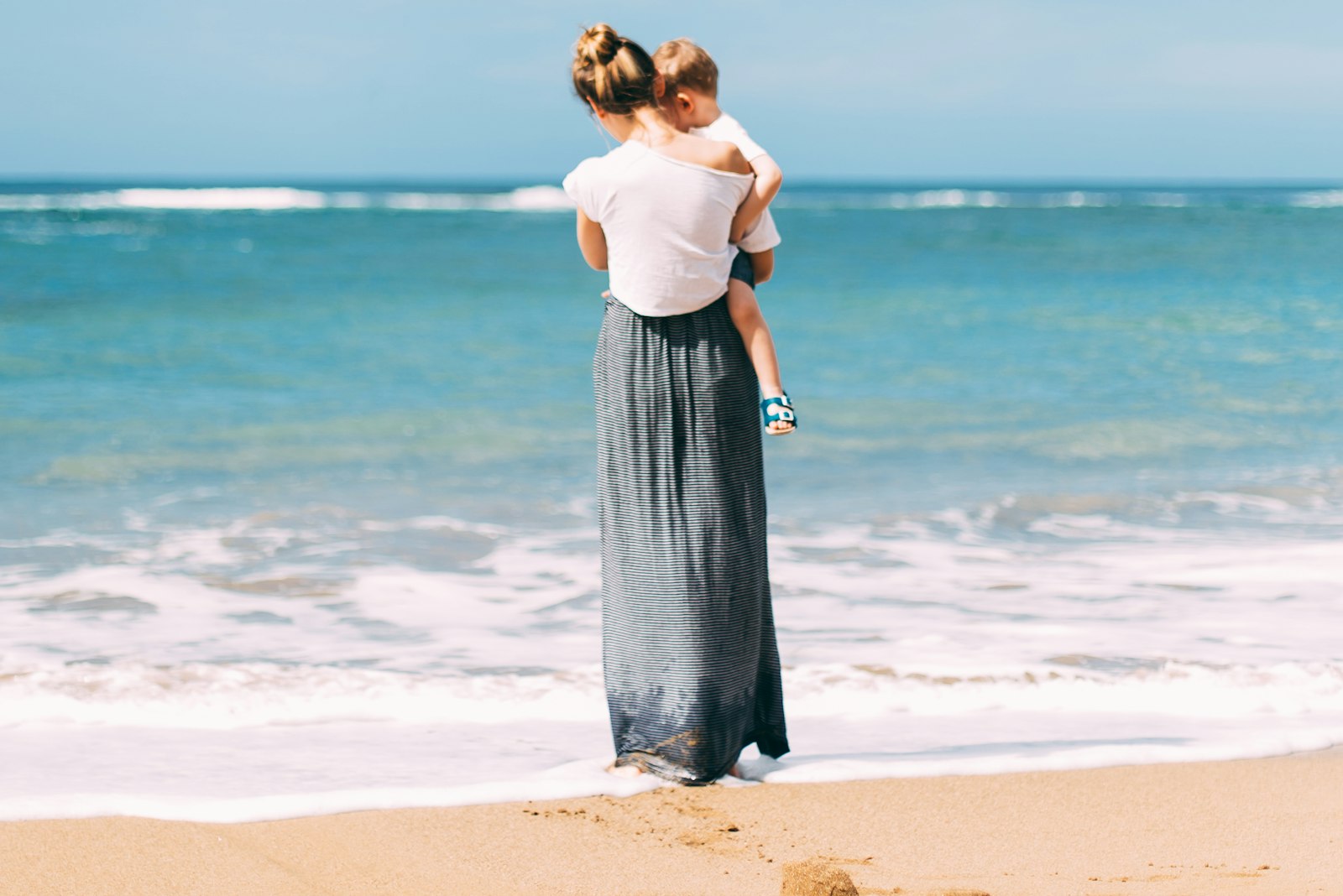
A pool day or beach trip with a breastfed baby means feeding in a wet swimsuit, often in full sun, with leaks to manage on top. A nursing swimsuit makes the feeding part easier, because you can reach your breast without peeling the whole suit down.
This guide covers access styles, fit after birth, leaks and pumping, chlorine and nipples, and the AAP’s sun and water safety advice for babies. We don’t rank brands or test products; we explain what to look for.
When you can swim after birth
The NHS says swimming is good exercise and relaxing, but to wait until 7 days after your postnatal bleeding has stopped. If you had a cesarean birth or a more complicated delivery, the NHS says your recovery will take longer, so talk to your doctor or midwife before starting anything strenuous.
Do you need a nursing swimsuit?
Not necessarily. Many two-piece suits and tankinis already work: you lift the top or pull a cup down. A dedicated nursing swimsuit helps most if you prefer a one-piece, want more support than a bikini top gives, or want to feed without exposing your tummy.
Access styles
| Style | How it opens | Good for | Trade-offs |
|---|---|---|---|
| Clip-down cups | Clasps at the straps drop each cup | Support plus quick access | Clasps can be fiddly when wet |
| Pull-aside or crossover front | Stretch the fabric to one side | Simple one-piece; nothing to fasten | Wet fabric can be tight to move |
| Front zip | Zips open at the center | Easy on and off | Zips can rub; more exposure when open |
| Nursing tankini | Lift the top, often with a nursing bra layer underneath | Coverage and easy bathroom trips | Top can ride up in the water |
| Two-piece with stretchy top | Pull the top up or down | Uses what you own | Less support |
Try the opening when the suit is dry and again after a swim if you can. Wet fabric clings, and a clasp that was easy in the fitting room can be stiff with wet hands.
Fit, support and leaks
Your bust can change a lot while breastfeeding, especially in the early weeks. Look for adjustable straps, a band that holds without digging in, and soft cups without firm wires. The NHS advises avoiding tight clothes or bras if you have a blocked duct, and the same comfort test applies to a swimsuit you’ll wear for hours. Our nursing sports bra guide explains how to balance support and pressure.
For leaks:
- Removable cup pads in the suit can be swapped for dry ones.
- Change into dry clothes with nursing pads after swimming. The AAP advises avoiding pads with plastic liners that trap moisture against the nipples, which can irritate them.
- Patterned or darker suits hide leaks better than pale solids.
- Feed or pump before you swim if a full breast feels uncomfortable in a fitted suit.
Pumping and milk on a pool day
If you pump, a suit with clip-down cups or a front zip lets you pump without undressing, but most people find it easier to change into a pumping bra and dry clothes. Keep expressed milk in an insulated bag with ice packs and out of the sun. Our breast milk cooler guide explains how long milk keeps and how to pack it.
Chlorine, salt water and your nipples
We couldn’t find any health guidance specific to chlorine or salt water and breastfeeding. La Leche League GB notes that a baby’s mouth forms a seal around the breast, so if a tiny amount of pool water is swallowed it is no more harmful than water swallowed at other times. La Leche League International says rinsing your breasts with clear water is all that’s needed to keep them clean, and that soap and body wash can dry your nipples. A quick rinse with fresh water after swimming is a gentle, optional step, especially if your skin feels dry or irritated.
Wet swimsuits and yeast
The NHS says thrush tends to grow in warm, moist conditions, and its tips to prevent thrush coming back include drying properly after washing and wearing cotton underwear. No source we found studies wet swimsuits specifically, but changing into a dry suit or clothes after swimming is an easy step. If you’re worried about thrush on your nipples or in your baby’s mouth, our guide to thrush while breastfeeding explains the signs and treatment.
Feeding outdoors: sun safety for your baby
The AAP says to keep babies younger than 6 months out of direct sunlight. Find shade under a tree, an umbrella or the stroller canopy, dress yourself and your baby in cool, comfortable clothing that covers the body when possible, and choose a hat with an all-around 3-inch brim to shield the face, ears and back of the neck. For babies under 6 months, use sunscreen only on small areas such as the face if protective clothing and shade aren’t available.
Other AAP tips that apply to beach and pool feeds:
- Limit sun exposure between 10 a.m. and 4 p.m., when UV rays are strongest.
- UV rays bounce back from water, sand and concrete, so shade alone may not be enough near the water.
- Clothes with a tight weave protect better than loose weaves; you can also look for clothing labeled with a UPF.
- For you and older babies, use broad-spectrum sunscreen with SPF 15 or higher, apply 15 to 30 minutes before going out, and reapply every 2 hours and after swimming, sweating or toweling off.
Water safety while you feed
The AAP says that for infants and toddlers, an adult who knows how to swim should be in the water and within arm’s reach, providing “touch supervision,” and that older children need an adult paying constant attention, free from distractions. You can’t give that attention while you’re feeding, so if you’re nursing at the poolside, make sure another adult is actively watching any older children in or near the water. The AAP also advises emptying small blow-up pools after each use.
You’ll find more everyday feeding guides in our breastfeeding basics hub.
When to call a doctor or lactation consultant
- Call your baby’s doctor right away if a baby younger than 1 year gets sunburned, as the AAP advises.
- Call 911 after any near-drowning, or if your baby is not breathing, turns blue, or is limp or unresponsive.
- See your doctor or a lactation consultant (IBCLC) if breast or nipple pain doesn’t go away. The NHS notes that it can sometimes be caused by a bacterial, viral or fungal infection, and you may also notice itching or changes in how your nipple or breast looks. The NHS also advises seeing a doctor if you have thrush while breastfeeding.
- Contact your doctor about a painful, hot or swollen area of the breast, or flu-like symptoms.
Shop on Amazon
Shop what this guide covers
Paid links: as an Amazon Associate we earn from qualifying purchases, at no extra cost to you. Links never change what we recommend. Disclosure
Frequently asked questions
Can I breastfeed in a swimming pool?
La Leche League GB says breast milk poses no health hazard to other swimmers and that a baby's mouth forms a seal around the breast, so little water is swallowed. Pool rules vary, so it can help to know your local rules. Always keep a firm hold of your baby in the water.
Do I need to rinse chlorine off before breastfeeding?
We found no health guidance specific to chlorine and breastfeeding. La Leche League International says rinsing breasts with clear water is all that's needed to keep them clean, so a quick rinse with fresh water after swimming is a gentle, simple option if you like.
How soon after giving birth can I go swimming?
The NHS says to wait until 7 days after your postnatal bleeding has stopped. After a cesarean or complicated birth, check with your doctor first.
Can I put sunscreen on my baby before a beach feed?
The AAP says shade and clothing come first for babies under 6 months. If those aren't available, you can use sunscreen on small areas such as the face. For older babies, apply it to all areas of the body, being careful around the eyes.
Sources
- HealthyChildren.org (AAP): Sun Safety: Information for Parents About Sunburn & Sunscreenhttps://www.healthychildren.org/English/safety-prevention/at-play/Pages/Sun-Safety.aspx
- HealthyChildren.org (AAP): Water Safety at the Pool: 4 Key Tips for Parentshttps://www.healthychildren.org/English/safety-prevention/at-play/Pages/Swimming-Pool-Safety.aspx
- NHS: Keeping fit and healthy with a babyhttps://www.nhs.uk/baby/support-and-services/keeping-fit-and-healthy-with-a-baby/
- La Leche League GB: Breastfeeding at a Swimming Poolhttps://laleche.org.uk/breastfeeding-at-a-swimming-pool/
- La Leche League International: Breastfeeding with Sore Nippleshttps://llli.org/breastfeeding-info/breastfeeding-sore-nipples/
- NHS: Breast pain and breastfeedinghttps://www.nhs.uk/baby/breastfeeding-and-bottle-feeding/breastfeeding-problems/breast-pain/
- NHS: Thrushhttps://www.nhs.uk/conditions/thrush-in-men-and-women/
- HealthyChildren.org (AAP): Nursing Supplieshttps://www.healthychildren.org/English/ages-stages/baby/breastfeeding/pages/Nursing-Supplies.aspx
This guide is general information, not medical advice. For your own situation, talk to your doctor, midwife, pharmacist or an IBCLC lactation consultant. Read our medical disclaimer and find breastfeeding support near you.
Related articles

Nursing Dresses: Access Styles, Fabrics and Fit for Breastfeeding
How to choose a nursing dress: wrap, hidden zip, button-front and double-layer styles, pumping access, fabrics, and fit while your body keeps changing.
Nursing Sports Bra: Support, Fit and Feeding Around Workouts
How to choose a nursing sports bra: support without squeezing, clip or pull-aside access, re-measuring after birth, and feeding before exercise.
Nursing Bra Buying Guide: Fit, Types and When to Buy
How to choose a nursing bra: the main types, how it should fit, when to buy, how many you need, and what the evidence says about underwire.
Nursing Pajamas and Nightgowns: What to Look For for Night Feeds
How to choose nursing pajamas or a nursing nightgown: easy access for night feeds, built-in support, fabrics for night sweats and what to pack for the hospital.